GHIC card: what it covers in Europe and what it does not
 A. FruchardCo-Founder & Travel Insurance ExpertLast updated: 5 October 2026
Is the GHIC card the same as the old EHIC?
The GHIC card is the UK replacement for the EHIC. It is free, issued by the NHS, and it gives you state healthcare in the EU on the same terms as a local resident. An EHIC issued before Brexit stays valid until its printed expiry date, so there is no need to swap it early.
That is the confusion settled. Since January 2021 the UK issues the Global Health Insurance Card, the GHIC, in place of the European Health Insurance Card, the EHIC. Millions of British travellers still carry a blue EHIC with years left on it, and it still works exactly as it did. When yours runs out, the NHS replaces it with a GHIC.
What almost nobody reads is the second half of that sentence: on the same terms as a local resident. A local resident in Spain pays nothing for A&E and a great deal for a private ambulance. A local resident in Italy pays a ticket for a GP appointment. The card copies those rules, the good ones and the bad ones, and it stops at the edge of the public system.
This page is built on HelloSafe's own European healthcare price survey: what an act really costs in 32 countries, how each national desk refunds a bill, and the binding cover limits of the plans a British resident can actually buy. Figures were recorded between 28 August and 4 September 2026. Page updated in September 2026.
Every year, our experts audit each plan against its binding policy wording: coverage, limits and exclusions, cross-checked with real customer feedback and live market prices. The analysis is fully independent, with zero paid placements and no insurer able to pay to influence a rating. We compare travel insurance across every country and currency, using the plans, prices and cover actually offered in your country, not a single guide translated.
Learn moreWhat does the card actually pay for in Europe?
The card pays for treatment that becomes medically necessary during your stay, inside the public system only, and only on the terms a local patient gets. It is access, not a blank cheque.
Medically necessary is the phrase that does the work. A broken wrist on day three qualifies. So does a flare-up of an existing condition: asthma, diabetes, epilepsy. Routine antenatal care qualifies if the baby is not the reason you travelled. Dialysis and home oxygen also qualify, but they have to be booked with the treating hospital before you leave, because a unit that has no free slot will simply turn you away.
What never qualifies is treatment you went abroad to get. Planned surgery, a dental implant or a fertility cycle need a separate S2 authorisation applied for in advance, and the card is no substitute for it.
Situation abroad | With the card | What this means in practice |
|---|---|---|
Public GP or A&E visit State surgery or state hospital | Covered | You are treated on local terms, including any local patient charge |
Admission to a public hospital Emergency, not planned | Covered | A local daily charge can still be billed to you |
Prescribed medicine Dispensed on a local prescription | Covered at local rates | You pay whatever a local patient pays for the pack |
Flare-up of a chronic condition Asthma, diabetes, epilepsy | Covered | Only if the need arises during the trip |
Dialysis or home oxygen | Covered if pre-arranged | The unit has to agree a slot before you travel |
Routine maternity care Not the reason for the trip | Covered | Giving birth abroad on purpose is excluded |
Private clinic or private hospital | Not covered | You pay the whole bill yourself |
Medical repatriation to the UK | Not covered | Neither the card nor the NHS pays for the flight |
Mountain or sea rescue | Not covered | Billed to the patient in most of Europe |
Planned treatment abroad | Not covered | Needs a separate S2 authorisation |
Cancellation, baggage, personal liability | Not covered | These are travel insurance, not healthcare |
What do Spain, France, Italy, Greece and Portugal really charge?
In the five countries British travellers use most, the card absorbs the public tariff and leaves you every private bill. Our price survey puts a figure on both halves, and the second half is the one that hurts.
Destination | What the public act is worth | What the card still leaves with you |
|---|---|---|
Spain The most-visited destination from the UK | GP visit about £42, A&E visit about £264, public bed-day £632 to £672 | Private ambulance £70 to £436, private dental work £35 to £174, private physiotherapy £30 to £70, repatriation £20,900 to £65,400 |
France | GP visit about £26, A&E charge £26 to £45, public bed-day about £1,084 | Private ambulance £197 to £885, private physiotherapy £44 to £70, repatriation £21,800 to £30,500 |
Italy | GP ticket £13 to £22, public bed-day £234 to £292, public dental act about £31 | Private A&E £87 to £261, private ambulance £87 to £610, private dental work £70 to £523, repatriation £3,050 to £74,100 |
Greece | Public specialist about £11, public hospital case £499 to £1,536 | Private GP £35 to £157, private A&E £87 to £174, air ambulance £1,072 to £1,651 per flying hour, repatriation £24,400 to £39,200 |
Portugal | Public A&E tariff £45 to £100, prescription pack about £2.46 | Private GP £61 to £70, private hospital stay £261 to £697, private ambulance £748 to £1,075, repatriation from about £26,000 |
Spain is the clearest case. A public A&E visit is worth about £264 and the card carries it. Two streets away, in the resort towns where most British holidays happen, the nearest emergency unit is often private, and a private ambulance alone runs from £70 to £436. Spanish public prices also move by region, so a bed-day in one autonomous community is not the same as in the next.
Italy is the country where the card visibly stops short. The ticket for a GP appointment, £13 to £22 in our survey, is a local patient charge, which means it is yours to pay. Private dental work reaches £523. Greece adds distance to the bill: island hospitals transfer serious cases by air, and flying time is priced between £1,072 and £1,651 an hour.
Our survey records what an act is worth inside a public health system. Present the card and the state carries that amount, not you. What you actually hand over is the local patient contribution, and that contribution is precisely the part the card is designed not to cover.
Which three costs does the card never touch?
Three costs sit outside a UK health card in every country and in every version of it: getting you home, getting you off a mountain or out of the water, and any treatment in a private clinic. They are also the three most expensive things that can happen to you on a European trip.
- Medical repatriationA medically escorted flight home from Spain costs £20,900 to £65,400 in our survey, £24,400 to £39,200 from Greece, from about £26,000 from Portugal and £21,800 to £30,500 from France. The card pays none of it, and neither does the NHS.
- Mountain and sea rescueA helicopter is billed to the patient across the Alps, the Pyrenees and the Greek islands. Our survey prices Greek air-ambulance flying time at £1,072 to £1,651 an hour. Entitlement to state healthcare begins at the hospital door, not on the slope.
- Private clinics and private hospitalsIn tourist areas the nearest emergency unit is frequently private. A private A&E visit is £87 to £261 in Italy and £87 to £174 in Greece, and a private hospital stay in Portugal runs £261 to £697. The card does nothing there, whatever the receptionist says.
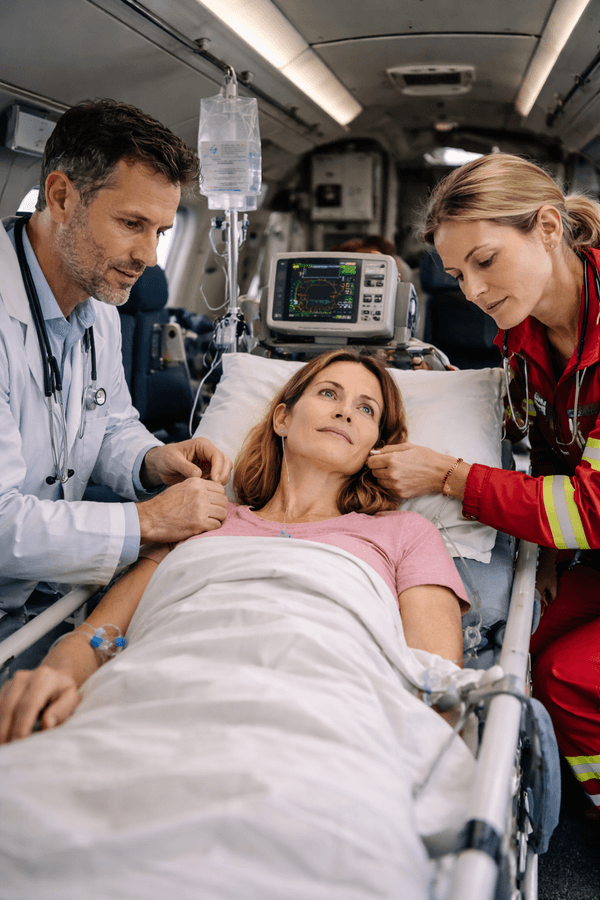
Repatriation is the one that turns a bad holiday into a financial event, because the decision is never yours: a treating consultant decides you are fit to fly, an assistance doctor decides how you fly, and someone has to pay for a stretcher, two seats' worth of cabin space and a medical escort. Our page on repatriation insurance sets out who makes that call and what it costs.
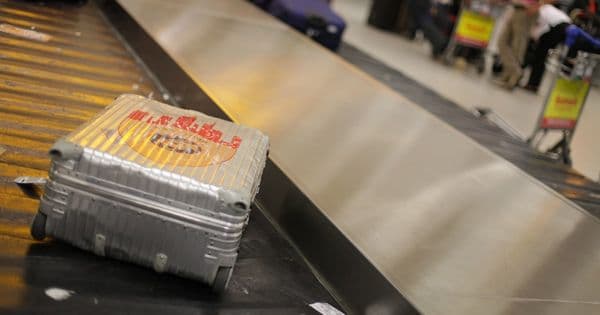
The card is also silent on everything that is not healthcare. A cancelled trip, a suitcase that never arrives, a broken hotel window you are liable for: none of it is a health entitlement. Those belong to trip cancellation insurance and baggage insurance respectively.
Do you still need travel insurance with a GHIC card?
Yes, and for a narrow, expensive reason: the card and a policy do opposite jobs. The card gets you into the public system at local rates. A policy pays the bills the public system never sends to the state, starting with the flight home. What a credit card or a packaged bank account adds on top of the health card, and where that cover stops, is the subject of our guide to credit card travel insurance.
The British catalogue is the smallest in Europe. Thirty public plans accept a UK residence, and when we priced a one-week trip to Spain from the UK, six of them returned a quote. Three of those six carry the cover that matters once you already hold the card.
Cover | WorldSecure Basic | WorldSecure Platinum | Safe Start |
|---|---|---|---|
Emergency medical and hospital abroad The ceiling that decides everything | £261,000 | £261,000 | £436,000 |
Medical repatriation Organised and paid by the insurer | Actual cost | Actual cost | Actual cost |
Direct hospital billing No money to advance | Included | Included | Included |
Search and rescue | £2,610 | £4,360 | £4,360 |
Trip cancellation | Not covered | Up to your trip cost, capped at £7,840 | Not covered |
Curtailment Cutting the trip short | Not covered | Not covered | £10,460 |
Baggage and possessions | £1,000 | £1,740 | £1,740 |
Emergency cash advance | £610 | £610 | £1,310 |
Personal liability abroad | £3.9 million | £3.9 million | £3.9 million |
Permanent disability | £26,100 | £43,600 | £8,700 |
Travel delay | Not covered | £130 | £130 |
Extreme sports | Not covered | Included | Not covered |
Read that table next to the one above it and the arithmetic is blunt. A repatriation from Spain sits between £20,900 and £65,400. Every one of the three plans pays it at actual cost, with no ceiling to run out of. The card pays zero. For a holiday anywhere in the EU, our guide to travel insurance for Europe compares the plans a UK resident can buy today, with real prices for a week in Spain.
Which plan to add to a card you already hold
If the card is already in your wallet, you are shopping for exactly three things it refuses: the flight home, the rescue and the private clinic. Safe Start is where I would start. It carries the highest emergency medical ceiling in the British catalogue, about £436,000, it pays search and rescue up to £4,360, and it covers curtailment up to £10,460, which is the line that matters when you have to abandon a fortnight on day four. Choose WorldSecure Platinum instead if the trip is booked and paid for: it is the only one of the three that refunds a cancelled trip, up to about £7,840, and the only one that includes extreme sports without an add-on, which settles the ski question with one tick in the comparator. WorldSecure Basic is the cheapest of the shortlist and still gives you the same medical ceiling and the same direct hospital billing as Platinum; what it drops is cancellation, curtailment and half the search-and-rescue limit. The cards below show today’s price for your dates.
Included coverage
Personalized quote · no obligation
Included coverage
Personalized quote · no obligation
Included coverage
Personalized quote · no obligation
Price for 1 traveller aged 34, 7 days in Spain, departing from the UK. Prices calculated by HelloSafe, July 2026. Cover figures are sterling equivalents of euro-denominated policies, so your price depends on age, trip length and destination.
HelloSafe is available as an app inside ChatGPT. Install it from ChatGPT’s Apps tab, then type @HelloSafe followed by your destination and dates to compare travel insurance.
Two groups should not treat a policy as optional. If you are over 65, the medical ceiling and the age limits do more work than the price does, which is what our senior travel insurance page is about. If you are skiing, the rescue line in the table above is the whole decision, and ski travel insurance covers it properly. Travellers with a declared condition should read travel insurance with pre-existing medical conditions before buying anything.
How long does the NHS take to refund treatment abroad?
About 18 working days of review, and Britain is the only country in Europe that tells you so. The NHS Business Services Authority publishes the date of the claims it is currently examining: at our reading on 28 August 2026, claims received on 12 August 2026 were quoted at 18 working days.
One national desk handles every claim, the Overseas Healthcare Services in Newcastle upon Tyne. There is no local office and no online filing equivalent: the claim form is downloaded, filled in and posted with your receipts, your proof of payment and your bank details. Our survey of 32 national refund routes found no other country that publishes its own queue this way.
- Pay the bill abroad and keep three things: the itemised invoice, the proof that you paid it (card slip or bank statement), and any prescription.
- Ask at the desk whether the country refunds on the spot. France, Spain and Italy allow it during your stay, which skips the UK claim entirely. Portugal and Greece do not.
- Download the Overseas Healthcare Services refund claim form from nhsbsa.nhs.uk once you are home.
- Post the form with the receipts, the payment proof and your bank details to Overseas Healthcare Services, Newcastle upon Tyne. Photocopy the lot first.
- Expect about 18 working days of review, which in practice has run between two weeks and a month.
The NHSBSA reimburses the difference between the invoice and the co-payment a local insured patient would have paid. That contribution stays yours for good, in every country. It is exactly the gap a travel insurance policy closes, and it is why the two are not alternatives. One more quirk worth knowing: the NHSBSA publishes no deadline for sending a claim in, so do not assume you have years. File as soon as you are home.
An insurance claim runs on a different clock and a different set of documents. Our guide to making a travel insurance claim sets out the deadlines that do apply.
How do you apply for a GHIC card or renew one?
You apply on nhs.uk, it costs nothing, and it arrives in about 15 working days. Nobody is entitled to charge you a penny for it, and any site that tries is not the NHS.
You qualify if you are ordinarily resident in the UK and entitled to NHS care: employees, self-employed people, students, pensioners and dependants all count. Every traveller needs their own card, children included, and a parent applies on a child's behalf in the same form. The card is valid for up to five years and the expiry date is printed on the front.
Renewal works exactly like a first application and is equally free. The NHS lets you renew from six months before the expiry date, which is the sensible moment to do it: an expired card entitles you to nothing at a foreign hospital desk, and the printed date is the only thing a receptionist will look at.
If you are travelling before the card lands, ask the NHS Overseas Healthcare Services for a Provisional Replacement Certificate. It carries the same rights for a limited period and is issued far faster than the card itself.
The application on nhs.uk is free, start to finish. Look-alike sites charge £20 to £40 to type the same details into the same form on your behalf, and have no connection to the NHS. If a page asks for a card payment, you are on the wrong page. This is also why the query “European health insurance card free” is searched so often: people suspect there is a catch, and there genuinely is not.
Where is the card valid, and where is it not?
A GHIC covers the 27 countries of the European Union. It does not cover Switzerland, it has never covered anywhere outside Europe, and the non-EU corners of the continent are the ones that catch people out.
Where you are going | Your UK health card | What to do instead |
|---|---|---|
The 27 EU countries Spain, France, Italy, Greece, Portugal and the rest | Valid | Carry it, and a policy for the three gaps |
Switzerland | Not with a GHIC | Only a UK EHIC reaches Switzerland, and only for the narrow groups still entitled to one |
Norway, Iceland, Liechtenstein | Not with a standard GHIC | Check your entitlement to a UK EHIC before you travel |
Turkey, Albania, Montenegro, Serbia | No cover at all | Travel insurance is the only cover |
The Channel Islands and the Isle of Man | No cover at all | They sit outside the arrangement despite being close to home |
Anywhere outside Europe | No cover at all | Travel insurance, with a ceiling sized to the destination |
Switzerland is the trap worth repeating, because it used to be covered and the old blue cards created the habit. A GHIC does not reach it. A UK EHIC still can, but entitlement is now limited to specific groups such as certain EU nationals living in the UK, some pensioners and some posted workers. If you are not sure which card you hold, read the front of it.
For a trip inside the border-free zone, our page on Schengen travel insurance from the UK covers the entry rules as well as the cover. For anything further afield, start from worldwide travel insurance, or compare the whole British market on our travel insurance hub.
Common questions about the UK health card for Europe
Yes, completely. The application on nhs.uk costs nothing and the card is posted to you free of charge.
Commercial look-alike sites charge £20 to £40 to submit the same form on your behalf. They are not connected to the NHS and they give you nothing the free service does not.
The EHIC is the European card, issued by EU member states. The GHIC is the UK card that replaced it for British residents after Brexit.
In practice they work the same way at a foreign hospital desk. The difference is legal and geographic: British entitlement now comes from the EU-UK Trade and Cooperation Agreement rather than EU regulation 883, and the GHIC does not reach Switzerland, Norway, Iceland or Liechtenstein.
Yes, until the expiry date printed on it. A UK-issued EHIC does not stop working because a GHIC now exists.
When it expires, the NHS replaces it with a GHIC. You can renew from six months before the printed date.
The 27 countries of the European Union, including Spain, France, Italy, Greece, Portugal, Germany and the Netherlands.
It does not cover Switzerland, Norway, Iceland, Liechtenstein, Turkey, Albania, Montenegro, the Channel Islands, the Isle of Man or anywhere outside Europe.
No. Switzerland sits outside the GHIC.
A UK EHIC can still cover Swiss treatment, but only for the narrow groups still entitled to one, such as certain EU nationals resident in the UK, some pensioners and some posted workers. Without one, a Swiss trip needs travel insurance.
Never, in any country. A medically escorted flight home is not state healthcare, so no health card pays for it.
Our price survey puts a repatriation from Spain at £20,900 to £65,400, from Greece at £24,400 to £39,200 and from Portugal at about £26,000. Travel insurance pays it at actual cost.
Yes. Every traveller needs a card in their own name, including newborns.
A parent or guardian applies on the child’s behalf through the same free NHS form. A family of four needs four cards.
Ask the NHS Overseas Healthcare Services for a Provisional Replacement Certificate.
It gives you the same entitlement for a limited period and is issued much faster than the card. Hospitals abroad accept it in place of the plastic.
No. It reaches the public system only, and in tourist areas the nearest emergency unit is often private.
Our survey prices a private A&E visit at £87 to £261 in Italy and £87 to £174 in Greece, and a private hospital stay in Portugal at £261 to £697. All of that is yours to pay.
Yes. The two cover different things and neither replaces the other.
The card gets you into the public system on local terms. Insurance pays for repatriation, mountain and sea rescue, private treatment, cancellation, baggage and liability, and it reimburses the local patient contribution the card leaves with you.
It was the ancestor. The paper E111 was replaced by the EHIC in 2006, and the EHIC was replaced by the GHIC for UK residents in 2021.
An E111 has had no value for two decades. If that is what you are holding, apply for a GHIC on nhs.uk.
About 15 working days from a successful online application.
Renew from six months before your expiry date to avoid the gap, and ask for a Provisional Replacement Certificate if a trip falls inside the wait.
On the same topic

Travel insurance for Spain: UK cover from £16.07 for a week
5 Oct 2026

Travel insurance for Greece: UK cover from £29.04 for 10 days
25 Sept 2026

Best travel insurance UK 2026: the right plan for each traveller, tested to age 79
5 Oct 2026