Travel insurance UK: what it covers, what it costs and how to choose
- ⚡️ Instant Certificate
- 🆘 24/7 Assistance without upfront costs
- 🔐 Secure Payment
 A. FruchardCo-Founder & Travel Insurance ExpertLast updated: 19 October 2026
Do you need travel insurance in the UK, and how do you compare it?
For any trip abroad, travel insurance is strongly advised: it pays your emergency medical, hospital and repatriation costs, which the NHS does not cover once you leave the UK. To compare it well, look at the medical limit, cancellation, the excess and the exclusions before the price. Cover starts from about £1 to £6 a day.
Also called travel medical insurance or holiday insurance, it protects you financially and organises assistance when something goes wrong far from home. For the same trip, medical limits and prices vary threefold to tenfold between insurers, which is exactly why comparing plans is worth a few minutes.
- 📌 Mandatory? Rarely for UK trips, but strongly advised: the Foreign, Commonwealth & Development Office (FCDO) warns an uninsured medical bill abroad can run to thousands of pounds.
- 💰 How much? About £1 to £6 a day; for equivalent cover, prices differ threefold to tenfold between insurers.
- 🏥 What matters most: the medical and hospital limit, not the price (aim for at least £250,000 in Europe and £1 million for the USA or Canada), plus repatriation at actual cost.
- ⛔ Biggest risk: exclusions (sports, alcohol, undeclared conditions) are the top reason claims are refused.
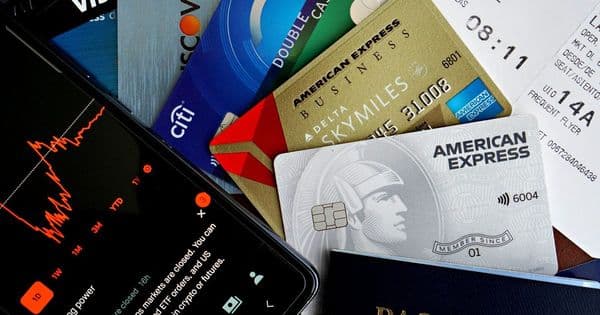
- 💳 A credit card is usually not enough: low limits, short durations and activation conditions apply.
This page is the starting point. To line the plans up side by side, use our compare travel insurance tool; to see our ranked picks, read the best travel insurance guide. Below, our experts explain what to compare, what it costs and which cover fits your trip.
Every year, our experts audit each plan against its binding policy wording: coverage, limits and exclusions, cross-checked with real customer feedback and live market prices. The analysis is fully independent, with zero paid placements and no insurer able to pay to influence a rating. We compare travel insurance across every country and currency, using the plans, prices and cover actually offered in your country, not a single guide translated.
Learn moreWhat is the best travel insurance when you compare the UK market?
There is no single best policy, only the best fit for your destination, age and trip. After comparing the six plans available to UK travellers, WorldSecure Platinum stands out as the strongest all-rounder, from about £31 for a week, and WorldSecure Basic as the cheapest at £15.80.
Our pick after comparing the UK market
WorldSecure Platinum is the strongest all-rounder: around £250,000 of medical cover, a cancellation option up to about £7,500, £3.8 million of personal liability and an extreme sports option, with the caveat that it stops at age 65. For the highest medical limit, Go Explore + and Safe Start reach about £420,000, and World Travel accepts travellers up to age 84. WorldSecure Basic is the budget choice, the cheapest of our shortlist, though only under 40 and without cancellation. For the full ranking, reviewed plan by plan, see our best travel insurance guide; these are pan-European insurers, so the figures shown are a faithful sterling conversion of their euro policies. The cards below show today’s price for your dates.
Included coverage
Personalized quote · no obligation
Included coverage
Personalized quote · no obligation
Included coverage
Personalized quote · no obligation
Prices for 1 traveller aged 34, 8 days in Spain, departing the UK, shown in pounds (a faithful conversion of our partner insurers' euro rates at about £0.84 per €1). Coverage limits stay in euros because they are the insurers' contractual amounts. HelloSafe data, captured 22 July 2026.
HelloSafe is available as an app inside ChatGPT. Install it from ChatGPT’s Apps tab, then type @HelloSafe and pick “HelloSafe Travel Insurance”: give your destination and dates to compare travel insurance, or ask what your bank card covers.
How much does travel insurance cost when you compare quotes?
Travel insurance costs roughly £1 to £6 a day for a UK traveller, or 3% to 6% of your trip cost, from £15.80 for a week in Europe. The price is driven mostly by your destination, your age and the medical limit you choose, as the profile-by-profile quotes below show.
Profile | Budget | Average | Premium (plan) | Key point |
|---|---|---|---|---|
Standard adult 1 traveller, 7 days | £15.80 WorldSecure Basic | £42.60 | £31.37 WorldSecure Platinum | The medical limit matters more than the price |
Family 2 adults + 2 children, 7 days | £63.18 WorldSecure Basic | £137.87 | £125.44 WorldSecure Platinum | Limits apply per person, not per family |
Senior (65) 1 traveller, 7 days | £31.37 WorldSecure Platinum | £51.70 | £38.29 Safe Start | Fewer plans as age rises; check the age cap |
Backpacker 25 years, 30 days, multi-country | £53.13 WorldSecure Basic | £87.12 | £94.09 WorldSecure Platinum | Valid up to 365 days, with cancellation and sports |
The same week costs far more in high-cost destinations: a week in the United States runs roughly twice the price of a week in Spain. Raising the medical limit from £250,000 to £1 million usually adds under £2 a day, which is why the price of travel insurance should never be read without the cover behind it. Planning a trip to the US? Our guide to the ESTA for the United States covers the cost and how to apply.
What does travel insurance cover, and how do plans compare?
A comprehensive travel insurance policy is built around five pillars: medical and hospital care, assistance and repatriation, personal liability, cancellation, and baggage. When you compare plans, read each pillar's limit rather than the headline price.
Cover | What it pays for | What to compare |
|---|---|---|
Medical & hospital Emergency care abroad | Emergency treatment, hospitalisation, surgery, medicines, repatriation | Europe at least £250,000 USA/Canada at least £1 million |
Assistance & repatriation | 24/7 help, medically assisted return, advance of costs | Repatriation at actual cost No upfront payment |
Personal liability | Injury or damage you cause to a third party | At least £850,000 |
Cancellation (optional) | Non-refundable costs if you cancel for a covered reason | 3% to 6% of trip cost* |
Baggage & delay | Theft, loss, delayed luggage | Check per-item sub-limits |
Which type of travel insurance should you compare?
Not every policy meets the same need. Match the type of travel insurance to the length and purpose of your stay before you compare prices: single-trip for one holiday, annual multi-trip if you travel often, plus backpacker, Schengen-visa and cancellation-only options. If you are moving abroad rather than going on holiday, a travel policy stops short of what you need, and our guide to travel insurance for British expats sets out what you can still buy once you no longer live in the UK.
Type | Best for | Recommended limits | Watch out for |
|---|---|---|---|
Single-trip (up to 90 days) | One holiday | Medical at least £250,000 (at least £1M USA/Canada) | |
Annual multi-trip | 2 or more trips a year | Medical at least £250,000; worldwide if you leave Europe | Per-trip day cap (often 30 to 90 days) |
European vs worldwide | Where you travel | Worldwide including the USA costs more | 'Worldwide excluding USA' is a common trap |
Backpacker / long stay | Gap year, round-the-world | Medical at least £420,000 plus rescue | High-risk zones and sports excluded |
EU visa applicants | €30,000 medical + repatriation (the legal Schengen minimum) | Non-compliant policy means visa refusal | |
Prepaid, non-refundable trips | Total trip cost | No medical cover |
Which travel insurance fits your traveller profile when you compare?
The right medical limit depends on your age, destination and situation. Here is what to check when you compare, profile by profile, with a dedicated guide for each.
Profile | Recommended medical limit | What to check when you compare |
|---|---|---|
At least £420,000 (at least £1M USA/Canada) | Age caps and pre-existing-condition terms | |
Family | At least £250,000 (at least £1M USA) | Limits apply per person; child cover |
Pre-existing conditions | At least £420,000, condition declared | Declare everything; UK firms must signpost specialists if cover is declined |
At least £420,000; liability at least £850,000 | Paid internships often excluded | |
Working Holiday (WHV) | At least £420,000 (at least £1M USA/Canada) | Manual jobs often excluded |
USA / Canada | At least £1 million | Direct payment; hospitals often ask upfront |
Pregnant traveller | At least £1 million (complications) | Cover often stops after 24 to 28 weeks |
At least £420,000 | Long-stay rules and home-country trips | |
At least £250,000 (at least £1M outside EU) | Limits per person, not the whole group | |
Au pair | At least £420,000; liability at least £850,000 | Work activity may count as professional |
Pre-existing conditions deserve extra care. In the UK, if an insurer declines you, cancels cover or applies a condition exclusion it cannot remove, it must signpost you to a directory of specialist insurers (the MoneyHelper directory). Always declare your full medical history: an undeclared condition is the fastest way to void a claim.
Which travel insurance exclusions must you compare before buying?
Exclusions are the number one reason travel insurance claims are refused, so comparing them matters as much as comparing prices. Here is what to look for, and the traps that catch UK travellers out.
- A medical limit that fits the destination: At least £250,000 in Europe, and £1 million for the USA or Canada.
- Repatriation at actual cost: Avoid plans that cap medical evacuation.
- Direct payment of hospital bills: So you are not left paying thousands upfront abroad.
- A transparent excess: Know the amount you pay per claim before you buy.
- The activities you will actually do: Tick the extreme sports option if you ski, dive or ride a scooter.
- Undeclared pre-existing conditions: The single biggest cause of refused medical claims.
- A 'worldwide excluding USA' territory: Check the cover really includes where you are going.
- A short maximum duration per trip: Annual plans often cap each trip at 30 to 90 days.
- High-risk sports excluded by default: Off-piste skiing, diving and motorbikes usually need an add-on.
- Low baggage or valuables sub-limits: A £210 baggage cap will not replace a stolen laptop.
- Alcohol or behaviour clauses: A claim can be refused if alcohol was involved in the incident.
According to Which?, around one in five travel insurance claims were declined in 2024. The usual causes are an exclusion (a sport, a scooter, alcohol or an undeclared condition) or a medical limit that was too low for the destination. Comparing exclusions matters as much as comparing prices.
Does a GHIC replace travel insurance in the UK?
No, a GHIC does not replace travel insurance. It gives access to state healthcare in the EU at reduced or no cost, but it never covers private treatment, repatriation to the UK or mountain rescue, and it is worthless outside Europe. That includes nearby destinations such as Morocco: our guide to travel insurance for Morocco compares cover for UK travellers.
The UK Global Health Insurance Card (GHIC) gives access to state healthcare in the EU, but:
- it does not cover private treatment,
- it never covers repatriation to the UK,
- it does not cover mountain rescue,
- it is not travel insurance.
Source: NHS.
The numbers explain why cover is worth it. The FCDO puts a broken leg in Spain at £25,000 or more, a quad-bike accident in Greece at £80,000 or more, and hospital treatment in the USA at £150,000 or more. The Association of British Insurers reports its members paid £472 million across more than 500,000 travel claims in 2024, with an average medical payout of £1,528. If you are heading to the continent, our page on travel insurance for Europe shows where the GHIC stops in Spain and what a week of cover costs from the UK.
How do you compare travel insurance and find the cheapest?
The most efficient way to compare travel insurance is an independent platform like HelloSafe, which ranks plans on their cover-to-price ratio rather than on advertising. Set your essential cover first, then keep the cheapest plan that meets it, and buy as soon as you book so cancellation cover starts straight away.
- Compares multiple insurers in real time
- Shows each medical limit clearly
- Makes exclusions transparent before you buy
- Issues your certificate instantly
Ready to start? Compare travel insurance side by side on medical limit, cancellation and price, or read our best travel insurance ranking if you would rather see our picks reviewed plan by plan.
What should you check before you compare travel insurance?
The best travel insurance is the one that matches your destination, age, trip length and activities. A policy suited to the United States needs a far higher medical limit than a week in Spain. Compare the cover-to-price ratio, not the advertising.
About £1 to £6 a day, or 3% to 6% of your trip cost, from £15.80 for a week in Europe. The price depends mainly on your destination, age and the medical limit you choose.
Usually not enough. Card cover often has low medical limits, a short maximum duration (frequently 90 days) and an activation condition (paying for the trip with the card). Sports and pre-existing conditions are commonly excluded. A card can complement, but not replace, travel insurance.
It is not a legal entry requirement, and the upcoming European Travel Information and Authorisation System (ETIAS) does not require it either. But a GHIC only covers state healthcare and never repatriation, so cover is strongly advised for any trip to the EU.
Only if they are declared and stable. In the UK, if an insurer declines or excludes your condition, it must signpost you to a directory of specialist insurers. Never travel on an undeclared condition, as the claim will almost certainly be refused.
High-risk sports, scooters and motorbikes, travel to high-risk zones, pre-existing conditions, pregnancy limits, and alcohol or behaviour clauses. Comparing exclusions is just as important as comparing medical limits.
The excess is the part of a claim you pay yourself. It can be fixed (for example £40 per claim) or proportional. A cheap policy can hide a high excess, so check it before you buy.
Usually from two to three trips a year. Watch the maximum duration covered per trip, which is often 30, 60 or 90 days, and check whether the cover is European or worldwide.
As soon as you book. Cancellation cover starts from the day you buy, so waiting leaves your deposit unprotected against illness or disruption before departure.
No. Two policies at the same price can have very different medical limits, exclusions and excess amounts. The level of cover matters far more than the headline price.
No. A GHIC covers only medically necessary state healthcare in the EU. It does not cover private care, repatriation or rescue costs, and it is not travel insurance.
High-risk and winter sports are usually excluded by default. You need to add the option before departure. On HelloSafe you can filter plans that include skiing, diving and other activities.
On the same topic

Travel insurance for Spain: UK cover from £16.07 for a week
16 Oct 2026

Travel insurance for Greece: UK cover from £29.04 for 10 days
16 Oct 2026

Best travel insurance UK 2026: the right plan for each traveller, tested to age 79
15 Oct 2026