Cover Letter for Schengen Visa: Free Sample & Complete Guide (2026)
Applying for a Schengen visa is not just about submitting Shengen visa documents — it is about convincing a consulate that your trip is legitimate, temporary and financially covered. In many countries, the cover letter is the only place where you can explain your itinerary, your funding and your intention to return home. A vague or inconsistent letter is one of the most common reasons why otherwise complete applications are refused.
Consulates also look beyond the current trip. A well-structured Schengen visa cover letter helps build a credible travel profile, which directly influences whether future Schengen visa renewal lead to longer visa validity or multiple-entry visas. The clearer your story and the more consistent your documents, the lower the perceived risk of overstay or misuse.
🧭 Your purpose of travel must be clear and credible: your cover letter should explain why you are going to Europe and what you plan to do there.
📅 Your stay must respect the 90/180 rule: the dates you describe must match your itinerary, tickets and insurance.
🏠 You must show that you will return home: job, studies, family or other strong ties should be explicitly mentioned.
💶 Your finances must be transparent: the letter should state who pays for the trip and how your expenses are covered.
📄 All documents must be consistent: any contradiction between your cover letter and your supporting documents can lead to a refusal.
What is a Schengen visa cover letter and why does it affect approval?
A Schengen visa cover letter (also called covering letter or letter of explanation) is a written statement where the applicant explains who they are, why they are travelling, how long they will stay and why they will return home. Unlike standard forms and checklists, it is the only document that allows you to connect all the pieces of your application into a single, coherent story.
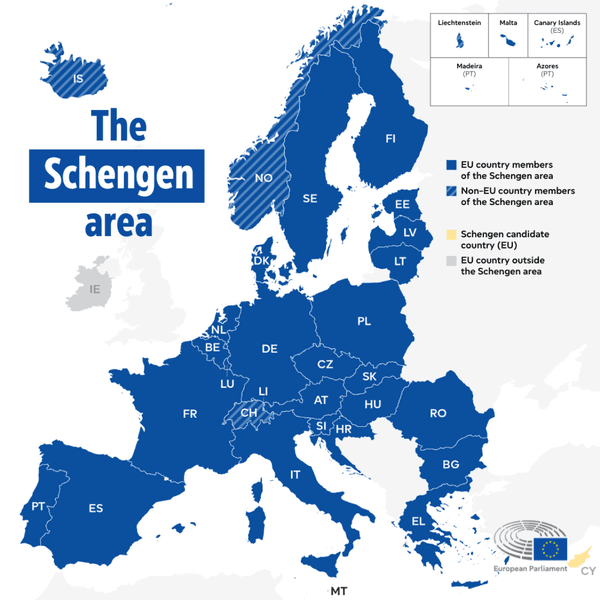
In practice, many Schengen countries explicitly require this letter. The Netherlands, Germany, Portugal, Norway and several others list a personal cover letter on their official checklists when applications are submitted through VFS or TLScontact. Even when it is not formally mandatory, consulates still rely on it to interpret your itinerary, bank statements, invitation letters and insurance. When something looks unclear or contradictory, the cover letter is where they expect the explanation.
What makes this document so important is that it links three critical pillars of visa assessment:
- 🧭 Your itinerary: where you go, how long you stay in each country and why
- 💶 Your finances: who pays for the trip and whether the costs are realistic
- 🏠 Your return guarantees: job, studies, family or other strong ties to your home country
If these three elements do not fit together logically, the application is considered risky, even if every document is present.
Most Schengen visa refusals are based on a small set of standard legal reasons. A strong cover letter is designed to prevent the most common ones:
🧾 Official refusal wording | What it usually means in practice |
|---|---|
🧭 “Purpose and conditions of the stay were not justified” | Your itinerary or explanation did not clearly show what you will do in Europe |
🏠 “Reasonable doubts as to your intention to leave the territory” | The consulate is not convinced you will return home after the trip |
🚫 “Risk of overstay or misuse” | Your profile, finances or travel pattern looks inconsistent or unreliable |
Important reminder: To travel in the Schengen area, you must have a valid travel insurance certificate that meets visa requirements (minimum €30,000 medical coverage, valid in all Schengen countries, for the full duration of your stay).
👉 Compare the best Schengen-compliant insurance plans with HelloSafe and get your certificate instantly.

Get your Schengen travel insurance certificate in 2 minutes
Do you really need a cover letter for a Schengen visa?
In many countries, yes. Several embassies and VFS/TLS checklists (including those of the Netherlands, Germany, Portugal, Norway and others) explicitly require a personal cover letter as part of the visa file. Even when it is not formally listed as mandatory, consulates rely on it to understand your itinerary, financial situation and intention to return home.
In practice, submitting a clear and well-structured cover letter significantly reduces the risk of refusal for “purpose not justified” or “reasonable doubts”, which are among the most common reasons Schengen visa applications are rejected.
What must a Schengen visa cover letter include to be accepted?
To be considered valid by any Schengen embassy, a cover letter must do more than introduce your trip. It must mirror the logic of the visa assessment process: why you go, how long you stay, how you pay for it and why you will leave. Every sentence should help a visa officer connect your written explanation with the documents in your file.
A compliant Schengen visa cover letter always covers the five core sections below.
Section | What to explain | What embassies verify |
|---|---|---|
🧭 Purpose | Tourism, visiting family, business, events | Invitation letter, flight tickets |
📍 Itinerary | Countries, cities, travel dates | Hotel and transport bookings |
💶 Funding | Self-funded or sponsored | Bank statements, sponsor letter |
🏠 Return | Job, studies, family, assets | Employer letter, NOC, enrolment |
🏨 Stay | Hotel or private accommodation | Hotel confirmation or invitation |
Here is how consulates read these five parts in practice:
- 🧭 Purpose of travel : Your cover letter must state clearly why you are travelling. “Tourism”, “visiting my sister” or “attending a conference” are not enough on their own — you need to connect them to your itinerary and documents.
- 📍 Itinerary and dates : Visa officers check that your cities, countries and dates follow a logical order and respect the 90 days in any 180-day period rule. Any mismatch between your letter, tickets and hotel bookings raises doubts.
- 💶 Funding : The letter must say who pays for the trip and how. If you are self-funded, it should match your bank statements. If you have a sponsor, it must align with the sponsor letter and proof of funds.
- 🏠 Return guarantees : This is where you explain why you will leave Schengen after your stay: a job to return to, studies, family responsibilities or business obligations. Consulates cross-check this with employer letters, leave approvals or enrolment certificates.
- 🏨 Accommodation : Whether you stay in a hotel or with a host, the cover letter must state where you will sleep and for how long. This must match your hotel reservation or invitation letter.
A Schengen visa cover letter that covers all five sections in a clear and consistent way dramatically reduces the risk of refusal for unclear purpose, insufficient justification or suspected overstay.
How do you write a Schengen visa cover letter step by step?
A strong Schengen visa cover letter follows a simple logic: who you are → what you will do → how it is paid → why you will leave. You do not need a long or emotional text — you need a clear and verifiable explanation that matches your documents.
🧭 Step 1 – How to introduce your trip
Start by stating who you are, where you live and why you are travelling.
Include:
- your full name and nationality
- your profession or status (employee, student, self-employed…)
- the type of trip (tourism, family visit, business)
Example logic
- “I am a software engineer employed by ABC Ltd in India.”
- “I am applying for a Schengen tourist visa to visit France and Italy.”
📍 Step 2 – How to describe your itinerary
Explain where you go, when and in what order. Keep it factual and consistent with your bookings.
Include:
- entry and exit dates
- main destination country
- cities and length of stay
Example logic
- “I will enter Schengen through Paris on 10 June.”
- “I will stay 5 nights in Paris and 4 nights in Rome.”
- “I will leave Schengen from Rome on 19 June.”
💶 Step 3 – How to explain who pays
State clearly who covers the trip and how it is proven.
Include:
- self-funded or sponsored
- what the money covers (flights, accommodation, daily expenses)
Example logic
- “I will cover all expenses using my personal savings, as shown in my bank statements.”
- “My father will sponsor my trip; his sponsorship letter and financial documents are attached.”
🏠 Step 4 – How to show you will return home
This is the most important part. You must explain why you cannot stay in Europe.
Include:
- your job, studies or business
- approved leave dates
- family or legal obligations
Example logic
- “I am employed on a permanent contract and my leave is approved from 10 to 19 June.”
- “I must return to continue my work and responsibilities in my home country.”
What is the difference between a cover letter, an invitation letter and a sponsor letter?
Many Schengen visa refusals happen because applicants confuse or mix up these three documents. Even though they are all “letters”, they serve very different legal purposes in the visa process and are checked by different departments of the consulate.
Document | Who writes it | What it proves |
|---|---|---|
📝 Cover letter | You (the applicant) | The overall logic of your trip |
🏠 Invitation letter | Your host in Schengen | Where you will stay and why you are invited |
💳 Sponsor letter | The person who pays | Who covers the financial costs |
Here is how embassies interpret them:
- 📝 The cover letter is your personal explanation. It connects your itinerary, your finances and your return plans into one coherent story. Without it, the officer only sees isolated documents.
- 🏠 The invitation letter only answers one question: where will you stay and who is hosting you? It does not explain your job, your money or your intention to leave.
- 💳 The sponsor letter only answers one question: who pays for the trip? It does not justify your itinerary or prove that you will go back home.
Consulates expect these three documents to support each other, not replace one another. Problems start when:
the invitation letter says you will stay 30 days but your cover letter says 10the sponsor letter shows limited funds but your cover letter claims you are fully self-fundedyour cover letter mentions a hotel while an invitation letter shows private accommodation
These inconsistencies trigger refusals for “purpose and conditions not justified” or “reasonable doubts”, even when all documents exist.
How do you write a cover letter for tourism, family visits or a couple?
When you stay in a hotel, your profile is considered low-risk.
When you stay with family, friends or a partner, your profile is considered higher-risk, because private hosting increases the risk of overstay. This changes what your cover letter must prove.
Travel type | What the consulate worries about | What your cover letter must include |
|---|---|---|
🧳 Tourism (hotel) | Is the trip real and short? | Cities, dates, hotel bookings, who pays |
🏠 Visiting family / friends | Will you stay longer than planned? | Host’s name & address, invitation letter, your return reasons |
❤️ Visiting a partner / couple | Will you settle in Schengen? | Length of stay, where you live, strong job or study ties at home |
What must always be added when someone hosts you
If you stay with a private host, your cover letter must clearly mention:
- 🏠 the host’s full name and address
- 📄 the invitation letter
- 📅 the exact dates you stay with them
- 🏠 your reason to return home
Without these elements, applications are frequently refused for unclear accommodation or doubts about the real purpose of the visit.
How do you request a multiple-entry Schengen visa in your cover letter?
Asking for a multiple-entry Schengen visa (MULT) in your cover letter is allowed — but it only works if the request is credible and justified. Consulates do not grant multiple-entry visas based on wording alone. They grant them when the applicant’s travel profile and documents support frequent and compliant travel.
What helps your request
Factor | Why it matters |
|---|---|
✈️ Clean travel history | Previous Schengen visas used correctly show that you respect entry and exit rules |
📄 Legitimate future travel | Business trips, family visits or repeated tourism justify multiple entries |
🧾 Consistent documents | Your itinerary, insurance and letter all describe the same travel logic |
🏠 Strong ties at home | Jobs, studies or businesses reduce the risk of overstaying |
Your cover letter should include a short, factual paragraph explaining why you expect to travel again, for example for work meetings, family events or regular tourism.
What hurts your request
Practice | Why it backfires |
|---|---|
❌ Fake or speculative trips | Invented itineraries are easy to detect and lead to refusals |
❌ Long-term insurance without reason | Buying 1-year insurance without proven travel does not increase your chances |
❌ Generic requests | “I want multiple entry” without justification is ignored |
A well-written cover letter does not try to force a multiple-entry visa. It simply shows that you are a reliable traveller with a genuine need to enter Schengen more than once — which is exactly what embassies look for when deciding whether to grant a MULT visa.
What format and length should a Schengen visa cover letter have?
Most Schengen embassies do not impose a rigid template, but in practice they expect a professional, concise and readable format. A cover letter that is too short looks careless, while a very long one raises suspicion and makes inconsistencies harder to check.
Recommended format used by most successful applications
Format element | What works best |
|---|---|
📄 Length | 1 page (300 to 600 words) |
🖋 Signature | Hand-signed or digital signature |
📅 Date | Must be included |
🗂 File type | PDF accepted by all VFS and TLS centres |
🧾 Layout | Clear paragraphs, no long blocks of text |
This is also why most applicants use a Schengen visa cover letter sample or PDF as a starting point. Reusing a structure — with sections for purpose, itinerary, funding and return — is perfectly acceptable and even recommended.
What causes problems is copy-pasting full texts without adapting them to your own situation. Visa officers see hundreds of identical letters every week. When a sample still contains wrong dates, cities, job titles or financial details, it immediately creates inconsistencies with the rest of the application.
How visa officers read it
Officers usually have only a few minutes per file. A one-page cover letter allows them to:
- quickly identify your purpose of travel
- verify your dates and itinerary
- understand who pays
- assess your return intention
Anything longer makes the file harder to audit and increases the risk of missing or contradictory information.
A well-formatted Schengen visa cover letter is not about style — it is about clarity and compliance. Keeping it within one page and a standard PDF format ensures it can be easily reviewed, stored and matched with the rest of your application.
How does your Schengen travel insurance work together with your cover letter?
Your travel insurance does not replace your cover letter — it completes it. Both documents are checked side by side by Schengen embassies to verify that your trip is real, properly planned and financially secured. If the dates, countries or coverage do not match what you wrote in your cover letter, your application can be refused even if everything else looks correct.
To be accepted by Schengen embassies, your insurance must meet three non-negotiable conditions:
- 💶 Minimum coverage of €30,000 for medical expenses and repatriation
- 🌍 Valid in all Schengen countries, not only your main destination
- 📅 Covering the exact dates of your stay as stated in your cover letter and itinerary
This is why your cover letter must clearly state your arrival and departure dates. Visa officers systematically compare them with your insurance certificate. A mismatch — for example insurance ending earlier than your declared return date — is one of the fastest ways to trigger a refusal for “conditions of stay not justified.”
For this reason, many applicants choose a Schengen-compliant insurance that can be generated instantly with the correct dates and coverage. Solutions like HelloSafe make it easy to obtain a policy that meets embassy rules and download a ready-to-submit certificate, helping avoid one of the most common technical causes of refusal.
This is why many applicants choose a Schengen-compliant insurance that can be generated instantly with the correct dates and coverage. Services like HelloSafe allow you to obtain a policy that meets embassy requirements in minutes and download a certificate ready to attach to your visa file, which helps avoid one of the most common technical mistakes in Schengen applications.
No. A cover letter explains your documents, it does not replace them. You still need valid flight reservations, accommodation, insurance, bank statements and proof of ties. If these are missing or invalid, a strong letter will not save the application.
The cover letter is written by you and explains your whole trip.
The invitation letter is written by your host in Schengen and only proves where you will stay and why you are invited. Both are often required when you stay with family, friends or a partner.
You need a sponsor letter if someone else pays for your trip. It proves who covers your expenses and must be supported by the sponsor’s bank statements and ID. Your cover letter should mention that sponsorship so everything is consistent.
Most successful applications use one page, around 300 to 600 words. It should be long enough to explain your trip clearly, but short enough to be read quickly by a visa officer.
Yes, you can request it. You should briefly explain why you expect to travel again (business, family, repeated tourism). However, multiple-entry visas are granted based on travel history and credibility, not just on the request itself.
No. Your insurance must cover the dates of the trip you declare, not the full validity of a future visa. Buying a one-year policy without justified travel does not increase your chances.
Yes, as a format. No, as a copy-paste. Samples help you understand the structure, but every date, city, job and amount must match your own documents. Inconsistencies are a common reason for refusal.
Yes. Your job, studies or business are one of the main reasons why the consulate believes you will return home. If you have a leave approval or NOC, it should be referenced in your cover letter.
The application is usually refused for “purpose not justified” or “reasonable doubts”. Visa officers cross-check your cover letter against your tickets, hotels, insurance and bank statements. Everything must tell the same story.
On the same topic

Schengen visa sticker explained 2026: read every field
Oct 20, 2026

Sponsorship letter sample for visa: complete guide for Schengen applications
Oct 11, 2026

TLScontact Schengen visa 2026: book, track, fees, contact
Oct 1, 2026