Schengen Visa from India | Fees, Requirements & Processing Time (2026)
 A. FruchardCo-Founder & Travel Insurance ExpertLast updated: October 2, 2026
More than 1 million Indian travellers applied for a Schengen visa in 2024.
With an approval rate of around 85%, getting your visa is absolutely possible — as long as your file is complete, your documents are accurate, and your Schengen travel insurance meets the Schengen requirements.
This guide explains how to apply for a Schengen visa from India, including the required Schengen visa documents, visa fees, processing time, and where to book your VFS appointment.
- 🇪🇺 A Schengen visa allows Indian citizens to travel to 29 European countries with a single visa
- ⏳ Standard validity: up to 90 days within a 180-day period
- 💰 Schengen visa fee for Indians (2025): €80 (≈ ₹7,200) + VFS service charges
- 🕒 Average processing time in India: 10 to 15 working days
- 🩺 Travel insurance is mandatory, with a minimum medical coverage of €30,000
- 📊 Approval rate for Indian applicants: around 85% in 2024, with complete and consistent files
What is a Schengen Visa for indians?
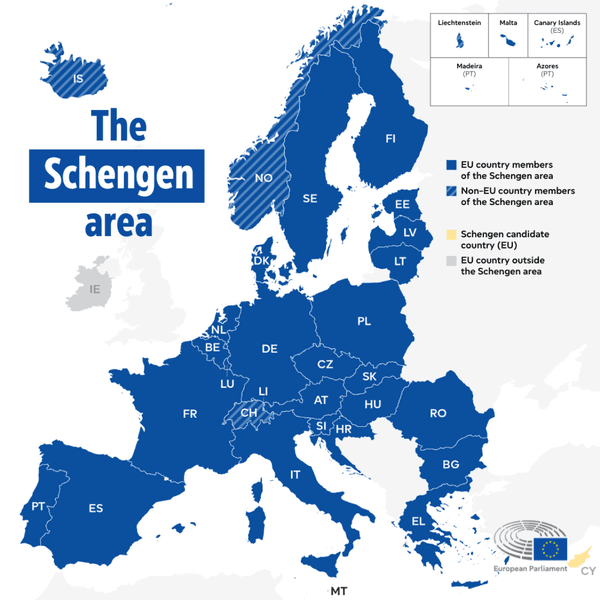
A Schengen visa allows Indian citizens to travel freely across 29 European countries in the Schengen Area — including France, Germany, Italy, Spain, Switzerland, and Greece.
It’s usually a Type C short-stay visa, valid for up to 90 days within a 180-day period, for purposes such as tourism, visiting family, or short business trips.
Main benefits:
- One visa = access to all Schengen countries
- Simplified border checks within the zone
- Possibility of single or multiple entries
You must apply through the Schengen country where you will spend the most nights during your trip. If your stay is equally split between several countries, you must apply through the country of first entry. Once the visa is issued, you may travel to other Schengen countries, as long as your itinerary remains consistent with your application.
🌍 What can Indians do with a Schengen visa?
With a valid Schengen visa, Indian citizens can:
- Enter the Schengen Area through the country that issued the visa
- Travel freely between all Schengen member states without internal border checks
- Combine several European destinations in a single trip
- Choose between single-entry, double-entry or multiple-entry visas, depending on their travel profile
💡 Important: You must apply through the consulate of your main destination (or first point of entry if you are visiting several countries for the same duration).
🧭 Which Schengen visa should Indians apply for?
Visa Type | Schengen Category | Who it is for | Typical Use |
|---|---|---|---|
🧳 Tourist visa | Type C | Leisure travellers | Tourism, sightseeing |
👨👩👧 Family or friend visit visa | Type C | Visiting relatives or friends | Private stay with host |
💼 Business visa | Type C | Professionals | Meetings, conferences, trade fairs |
✈️ Airport transit visa | Type A | Transit passengers | Airport connection only |
For most applicants from India, choosing the correct visa category — and applying to the right embassy — is one of the first elements that determines approval or refusal.
To avoid mistakes at this stage, many travellers use a Schengen visa application helper that checks their destination, travel dates, personal situation and nationality, and then guides them toward the correct visa type, required documents and consulate before booking their VFS appointment.
🗺️ Where can Indians go with a Schengen visa?
A valid Schengen visa allows Indian passport holders to travel to the following 29 Schengen countries:
- Austria
- Belgium
- Croatia
- Czech Republic
- Denmark
- Estonia
- Finland
- France
- Germany
- Greece
- Hungary
- Iceland
- Italy
- Latvia
- Liechtenstein
- Lithuania
- Luxembourg
- Malta
- Netherlands
- Norway
- Poland
- Portugal
- Slovakia
- Slovenia
- Spain
- Sweden
- Switzerland
📌 All these countries follow the same short-stay visa rules under the Schengen Agreement.

Get your Schengen travel insurance certificate in 2 minutes
Schengen Visa Requirements for Indians (2026 Checklist)
When applying for a Schengen visa from India, consulates expect a clear, complete and internally consistent application file. Even minor discrepancies between documents — dates, names, destinations, or coverage periods — can lead to refusal.
In 2026, the requirements remain largely standardised across Schengen countries, but Indian applicants are closely assessed on financial stability, travel purpose, and document credibility.
✅ Complete Schengen Visa Checklist for Indian Applicants
📄 Document | What Consulates Expect |
|---|---|
🛂 Passport | Issued within last 10 years, valid 3+ months after return, minimum 2 blank pages |
📝 Visa application form | Fully completed and signed (via VFS Global) |
📸 Photographs | 2 biometric photos (35×45 mm, white background) |
🩺 Travel insurance certificate | €30,000 minimum coverage, valid in all Schengen countries, covering full stay |
🏨 Proof of accommodation | Hotel bookings or invitation letter from host |
✈️ Flight or travel itinerary | Round-trip reservation matching travel dates |
💰 Proof of financial means | Recent bank statements (generally last 6 months) |
💼 Employment proof | Employer NOC, salary slips, contract, or business documents |
🎓 Schengen visa student proof (if applicable) | Student ID + letter from institution |
💳 Visa fee receipt | Proof of payment of visa and VFS fees |
📌 All documents must be printed and provided in English (or with certified translations if required).
How much does a Schengen Visa Cost for Indians ?
The cost of a Schengen visa for Indian citizens is relatively standardised across all Schengen countries. However, many applicants underestimate the total cost of the application, which goes beyond the official visa fee and includes service charges and mandatory documents.
Understanding the full breakdown helps avoid surprises and better prepare your application budget.
💰 Official Schengen Visa Fees for Indians (2026)
👤 Applicant Category | 💶 Fee (€) | 🇮🇳 Approx. Fee (₹)* |
|---|---|---|
Adults (12 years and above) | €80 | ~₹7,200 |
Children (6–11 years) | €40 | ~₹3,600 |
Children under 6 | Free | ₹0 |
*Indicative amounts based on an average exchange rate of €1 ≈ ₹90.
📌 These fees are set by the European Union and are the same regardless of the Schengen country you apply to.
🏢 VFS Global Service Fees in India
All Schengen visa applications from India must be submitted through VFS Global, which charges an additional service fee.
💼 Service | 💸 Cost (INR) |
|---|---|
VFS service fee | ₹1,500 – ₹2,000 |
SMS / courier (optional) | Extra |
💡 VFS fees may vary slightly depending on the city and selected services.
🧾 Additional Costs to Budget For
Beyond the visa and VFS fees, Indian applicants should also plan for the following expenses:
📄 Item | 💰 Typical Cost (₹) |
|---|---|
🩺 Schengen travel insurance | ₹600 – ₹2,000 |
📸 Biometric photos | ₹200 – ₹500 |
🖨️ Printing & copies | ₹100 – ₹300 |
✈️ Flight reservations | Varies (refundable / reservation) |
🏨 Hotel bookings | Often refundable |
⚠️ These costs are not refundable if your visa is refused, except in specific cases such as refundable bookings or eligible insurance policies.
📊 Estimated Total Cost of a Schengen Visa Application from India
🧮 Expense Category | 💰 Estimated Cost (₹) |
|---|---|
Visa fee + VFS charges | ₹8,700 – ₹9,200 |
Insurance + documents | ₹1,000 – ₹2,500 |
Total estimated cost | ₹9,700 – ₹11,700 |
📌 Actual costs vary depending on exchange rates, insurance choice, and optional services.
How Much Bank Balance Is Required for a Schengen Visa from India?
There is no single official bank balance requirement for Indian applicants applying for a Schengen visa. While each Schengen country publishes reference amounts per day, consulates do not assess applications mechanically. In reality, they evaluate whether your financial situation is coherent with your travel plan, your length of stay, your accommodation type, and your professional profile.
For Indian applicants, showing a stable and realistic financial capacity is far more important than displaying a high balance at the last minute.
Indicative reference amounts commonly accepted by Schengen consulates for applications from India are shown below. These figures assume that accommodation and flights are already booked or reserved.
🇪🇺 Destination (most applied) | 🗓️ Trip duration | 💰 Recommended bank balance |
|---|---|---|
France | 7–10 days | ₹1.3 – ₹1.6 lakh |
France | 15 days | ₹2 – ₹2.5 lakh |
Italy | 7 days | ₹1.2 – ₹1.5 lakh |
Italy | 15 days | ₹1.8 – ₹2.3 lakh |
Germany | 10 days | ₹1.5 – ₹1.8 lakh |
Germany | 15–20 days | ₹2.5 – ₹3 lakh |
Spain | 7 days | ₹1.2 – ₹1.4 lakh |
Spain | 15 days | ₹2 – ₹2.4 lakh |
Switzerland | 7 days | ₹1.4 – ₹1.7 lakh |
Switzerland | 15 days | ₹2.5 – ₹3 lakh |
📌 These amounts are indicative and reflect what Indian applicants typically report as “safe” ranges when their files are approved.
What consulates look for is financial consistency over time. Indian applicants are generally expected to submit bank statements for the last 6 months, showing:
- Regular income or identifiable sources of funds
- A stable balance aligned with declared employment or business activity
- Normal spending patterns
Large or unexplained deposits made shortly before the visa application are often perceived as a risk factor, even if the final balance seems sufficient.
The nature of your accommodation also influences expectations. Applicants staying in hotels or short-term rentals are expected to show higher available funds than those staying with family or friends under an official invitation letter. Similarly, longer stays automatically require stronger financial proof.
Sponsorship is allowed for Indian applicants, most commonly from parents or spouses, but fully sponsored files without any personal funds tend to be examined more carefully. Even when sponsored, it is recommended to show some personal savings, along with a clear sponsorship letter and proof of relationship.
Is Travel Insurance Mandatory for Indians Applying for a Schengen Visa?
Yes. Travel insurance is mandatory for all Indian citizens applying for a Schengen visa, without exception. Applications submitted without compliant insurance are systematically refused by Schengen consulates, regardless of the destination country or the duration of stay.
For Indian applicants, insurance is one of the most frequently misunderstood requirements. Many refusals occur not because the policy is too cheap, but because the insurance certificate does not meet the exact Schengen wording or validity rules.
Schengen travel insurance rules are strict and non-negotiable. Your policy must cover at least €30,000, be valid in all Schengen countries, include emergency medical treatment and repatriation, and cover the entire duration of your trip, from the day you enter the Schengen Area to the day you leave. Any mismatch between insurance dates and flight dates may raise doubts during the assessment.
❌ Non-compliant | ✅ Compliant |
|---|---|
Low medical coverage caps | €30,000 or higher |
Asia-only or regional policies | Valid across all Schengen states |
No official insurance certificate | Instant PDF certificate |
Vague or generic wording | Explicit Schengen coverage |
Coverage shorter than trip | Dates exactly matching itinerary |
In practice, consulates carefully check the insurance certificate, not just the policy name. They verify the coverage amount, the territorial scope (Schengen Area clearly mentioned), the policyholder’s name matching the passport, and the exact coverage period. Policies that technically offer sufficient medical coverage but lack explicit Schengen references are a common cause of refusal for Indian applicants.
Because insurance is a mandatory and time-sensitive document, many travellers choose to compare Schengen-compliant travel insurance plans online before finalising their application. This allows applicants to obtain an embassy-accepted certificate instantly, ensure full compliance with Schengen rules, and limit financial risk by choosing policies that offer refunds in case of visa refusal.
How Long Does It Take to Get a Schengen Visa in India?
The processing time for a Schengen visa from India depends on the type of visa requested, the destination country, and the time of year. While Schengen rules provide a general framework, actual timelines can vary based on application volume and document verification.
For most Indian applicants, processing starts after the VFS appointment and biometric submission, not when the application is booked online.
🛂 Visa Type | ⏱️ Processing Time |
|---|---|
10–15 working days | |
Business visa | 7–12 working days |
Student visa | 15–30 working days |
📌 These timelines are averages and may be extended if additional checks or documents are requested by the consulate.
Several periods of the year are known for heavy application volumes in India, which can significantly increase processing times and reduce VFS appointment availability. The busiest months typically include:
- April to June: summer holidays, family travel and European peak season
- September to December: festival season in India (Diwali, Dussehra, Christmas travel)
- Late December and early January: year-end holidays and winter tourism
- March and October: increased business and conference travel
Applications submitted around major Indian festivals — especially Diwali, when many families plan international travel — often experience longer processing times due to a surge in demand.
To avoid delays and last-minute complications, Indian applicants are strongly advised to apply at least 4 to 6 weeks before their planned travel date. During peak seasons or festival periods, applying 6 to 8 weeks in advance is often a safer strategy.
Planning ahead, securing an early VFS appointment, and submitting a complete file remain the most effective ways to ensure your Schengen visa is processed on time in India.
How and Where to Apply for a Schengen Visa from India?
Indian citizens must apply for a Schengen visa through VFS Global, the official visa application centre appointed by European embassies. Applications cannot be submitted directly at embassies or consulates; all short-stay Schengen visa files are processed via VFS, including document submission and biometric collection.
The application process from India follows a fixed sequence of steps, which must be completed in the correct order to avoid delays or rejection.
🧭 Step 1: Identify the competent Schengen country
Before booking any appointment, applicants must determine which Schengen country is responsible for their visa:
- Apply to the country where you will spend the most nights
- If the number of nights is equal in several countries, apply to the country of first entry
Choosing the wrong country is a common mistake and may lead to refusal or redirection.
Many applicants use a Schengen visa application assistance tool at this stage to confirm the correct consulate based on their itinerary.
📄 Step 2: Prepare your application file
Once the competent country is identified, applicants must gather all required documents, including passport, application form, travel insurance, proof of accommodation, flight itinerary and financial proof.
Document consistency is essential: dates, destinations and names must match across all documents.
Using an application helper allows applicants to:
- Generate a personalised checklist
- Verify insurance compliance
- Detect inconsistencies before submission
🖱️ Step 3: Book your VFS appointment online
All appointments are booked online via VFS Global after selecting:
- The destination country
- The visa type (tourist, family visit, business, etc.)
- The preferred VFS centre
Appointments include:
- Submission of printed documents
- Biometric data collection (fingerprints and photograph)
Slots may fill quickly during peak travel periods, so booking early is strongly recommended.
📍 Step 4: Visit the VFS centre in India
On the day of your appointment, you must visit the selected VFS centre in person.
City | Location |
|---|---|
New Delhi | Connaught Place |
Mumbai | Lower Parel |
Bengaluru | Global Tech Park |
Chennai | Egmore |
Hyderabad | Ameerpet |
Kolkata | Middleton Street |
Applicants should:
- Bring all printed documents
- Carry their travel insurance certificate
- Arrive at least 15 minutes early
⏳ Step 5: Track your application and wait for a decision
After submission, the application is forwarded to the relevant embassy or consulate for processing. Applicants can track their application status online via VFS.
Processing officially begins after biometric submission, not at the time of booking.
Applying for a Schengen visa is an administrative process where method and preparation matter. Many Indian travellers choose to review their application using a Schengen visa application assistance tool before booking their VFS appointment, ensuring that:
- The correct country is selected
- All documents meet consular requirements
- The file is complete on the first submission
This structured approach significantly reduces delays and avoidable refusals.
Common Schengen Visa Rejection Reasons for Indians (and How to Avoid Them)
Even though the overall Schengen visa approval rate for Indian applicants is high, refusals still occur regularly — often for reasons that are entirely preventable. In most cases, refusals are not linked to eligibility itself, but to inconsistencies or weaknesses within the application file.
Understanding the most common Schengen visa refusal grounds helps Indian applicants focus on what really matters to consulates and avoid repeating the same mistakes.
❌ Refusal Reason | ✅ How to Avoid It |
|---|---|
Invalid or non-compliant travel insurance | Choose an embassy-compliant policy meeting all Schengen rules |
Insufficient or unstable financial proof | Submit stable bank statements covering several months |
Weak or unclear travel purpose | Provide a clear itinerary and cover letter |
Mismatch between documents | Ensure full consistency across flights, hotels, insurance and dates |
Doubts about intention to return | Demonstrate strong ties to India (job, studies, family, assets) |
In practice, consulates evaluate the credibility of the entire file, not each document in isolation. For example, a sufficient bank balance may still raise doubts if it does not align with the declared income, or if the travel itinerary appears unrealistic.
Similarly, many refusals for Indian applicants fall under the broad category of “doubts about intention to leave the Schengen Area”, often linked to weak employment proof, unclear travel purpose, or lack of ties to India. These refusals are rarely about a single missing document, but about the overall narrative of the application.
🟢 A well-prepared and coherent file drastically improves approval chances.
Schengen Visa Validity for Indians: Duration, Multiple-Entry and Long-Term Visas
The validity of a Schengen visa for Indian citizens depends mainly on travel history and application consistency. First-time applicants usually receive a short validity, while frequent travellers may qualify for longer or multiple-entry visas.
📌 In all cases, the 90/180 rule applies: you can stay up to 90 days within any 180-day period, even with a long-term visa.
🛂 Schengen visa validity options for Indians
🗂️ Applicant profile | 🕒 Visa validity | 🔁 Entries |
|---|---|---|
First-time applicant | Few weeks to months | Single / Double |
Previous Schengen visa used correctly | Up to 1 year | Multiple |
Regular traveller (cascade regime) | 2 to 5 years | Multiple |
🔁 What multiple-entry and long-term visas allow (and don’t allow)
✅ Allowed
- Multiple trips to Schengen countries
- Short stays spread over time
- Easier travel planning
❌ Not allowed
- Staying more than 90 days in 180
- Continuous residence in Europe
- Automatic Schengen visa renewal or extension
🧭 Summary: Key Facts for Indian Travellers
Category | Details |
|---|---|
Short-Stay (Type C) | |
Validity | Up to 90 days in 180 |
Fee | ~₹7,200 (€80) |
Processing Time | 10–15 working days |
Where to Apply | VFS Global India |
Insurance Requirement | €30,000 coverage minimum |
Approval Rate | ~85% in 2024 |
Get your Schengen visa insurance from India and start preparing your documents today.
Apply early, follow the checklist, and keep your file complete — you’ll be ready to travel across Europe with peace of mind.
Yes. Getting a Schengen visa is achievable for Indian applicants, with an approval rate of around 85% in 2024. Most refusals are linked to incomplete applications, unclear financial proof or inconsistent documents, rather than nationality itself. A well-prepared file significantly improves approval chances.
Recent data suggests an approval rate of approximately 80–85%, depending on the destination country and the quality of applications. Applicants with stable finances, clear travel plans and compliant insurance typically experience higher success rates.
It is recommended to apply 4 to 6 weeks before the intended travel date. During peak travel periods such as April to June and October to December, applying up to 8 weeks in advance is advisable due to limited appointment availability and longer processing times.
No. While the application form is completed online, Indian applicants must submit their documents and biometric data in person at a VFS Global centre. There is currently no full Schengen e-visa available for Indian citizens in 2025.
Yes. Travel insurance is strictly mandatory. Without an insurance policy covering at least €30,000, valid across all Schengen countries and matching the travel dates, the application will be refused. Consulates pay close attention to insurance wording and certificate validity.
There is no fixed minimum amount. However, most Indian applicants typically show:
- ₹1.2–1.5 lakh for a 7–10 day trip
- ₹2–2.5 lakh for a 15-day trip
- ₹3.5–4 lakh for longer stays
Consulates assess financial stability and consistency, not just the final balance.
Yes. Sponsorship by parents or a spouse is accepted. Sponsored applications should include a sponsorship letter, the sponsor’s bank statements and proof of relationship. Applicants are still expected to show some personal financial means, even when sponsored.
No. Consulates do not require fully paid tickets. Flight reservations or refundable tickets are sufficient. Purchasing non-refundable tickets before approval is unnecessary and risky.
The most frequent refusal reasons include non-compliant travel insurance, insufficient or unstable financial proof, unclear travel purpose, inconsistencies between documents and doubts regarding the applicant’s intention to return to India. Most of these issues can be avoided with proper preparation.
No. A refusal does not result in automatic blacklisting. Applicants may reapply at any time, provided they address the reasons stated in the refusal letter. Reapplying without correcting issues increases the likelihood of another refusal.
Yes, under the Schengen cascade regime. Longer-term or multiple-entry visas are generally issued to applicants with previous Schengen visas used correctly, strong financial profiles and clear travel histories. There is no automatic entitlement to long-term validity.
Yes. Indian citizens legally residing abroad may apply from their country of residence if they provide a valid residence permit, local bank statements and proof of legal stay. The rules depend on residence status rather than nationality alone.
In some cases, yes. A valid or previous Schengen visa can facilitate visa applications for countries such as Turkey, Egypt, Morocco or the United Arab Emirates, depending on their specific entry rules.
The most effective approach is to ensure that all documents are consistent, financial proof is stable, travel insurance is compliant and the travel purpose is clearly explained. Many applicants review their file using a Schengen visa application assistance tool before their VFS appointment to identify and correct potential issues early.
On the same topic

Schengen visa sticker explained 2026: read every field
Oct 1, 2026
Sponsorship letter sample for visa: complete guide for Schengen applications
Sep 30, 2026

TLScontact Schengen visa 2026: book, track, fees, contact
Oct 1, 2026