Schengen Visa to Germany (2026): Requirements, Appointment, Fees & Approval Tips
 A. FruchardCo-Founder & Travel Insurance ExpertLast updated: September 24, 2026
Germany is one of the most requested Schengen destinations in the world, but it is also one of the most demanding when it comes to documentation, consistency and timing. With more than 1.5 million Schengen visa applications processed every year, German consulates and visa centers handle a massive volume of files, which means even small mistakes (insurance, funds, itinerary, dates) can quickly lead to delays or refusals.
For applicants, the challenge is not just to meet the official requirements, but to submit a perfectly aligned file: the right application form, the right appointment center (VFS, TLScontact or VisaMetric depending on your country), a realistic travel plan, and a Schengen-compliant health insurance that fully satisfies German consular standards. This page brings together the real numbers, rules and procedures you need to apply with clarity and confidence.
🇩🇪 1.51 million Schengen visa applications were processed by Germany in 2024, with 206,733 refusals (rejection rate 13.7%)
💶 Cost of a Germany Schengen visa (2025): €90 per adult, plus local service fees (VFS, TLScontact or VisaMetric)
🗂 You apply through official German partners such as VFS Global, TLScontact or VisaMetric, depending on your country of residence
📄 Main documents required: passport, application form (VIDEX), flight and hotel proof, bank statements, and Schengen-compliant travel insurance
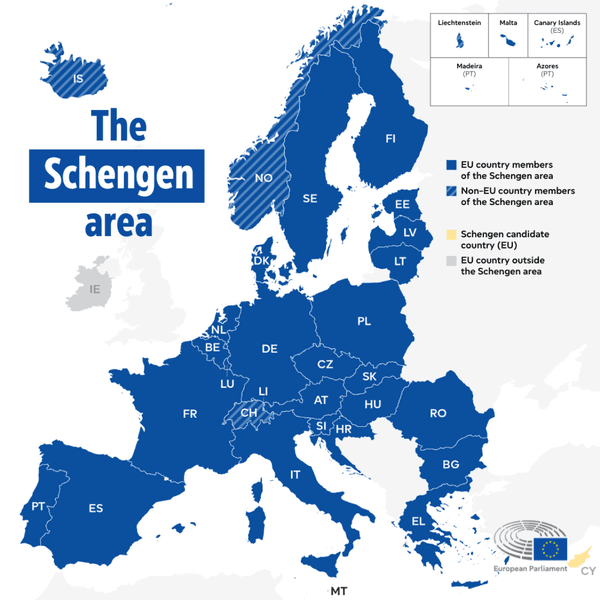
🩺 Travel medical insurance is mandatory and must cover at least €30,000 in all 29 Schengen countries
⏳ Average processing time: about 15 days after submission, but it can legally extend to 45 days in busy periods
Who Needs a Schengen Visa to Travel to Germany?
Most travellers coming to Germany apply for a Schengen short-stay visa (Type C), which allows you to stay up to 90 days within any 180-day period for tourism, business, family visits or short courses.
If you are travelling for work, long-term studies, Ausbildung, au pair or family reunification, you will need a different permit. Germany offers several types of Schengen visas and national visas depending on the length and purpose of your stay.
Whether you need a Schengen visa to Germany or can travel visa-free depends entirely on your nationality.
Some passport holders must apply before travelling, while others can enter Germany without a visa for short stays. To know your exact status, Germany uses an official nationality-based system, which you can check through the Schengen visa eligibility tools and country lists.
Even if your passport allows visa-free entry, you are still subject to border checks, the 90/180 rule, and proof of funds, accommodation and insurance when entering Germany. For any stay longer than 90 days, a German visa is always required regardless of nationality.
Passport | 🇩🇪 Germany entry for short stays (≤90 days) |
|---|---|
🇮🇳 India | Schengen visa required |
🇵🇰 Pakistan | Schengen visa required |
🇳🇬 Nigeria | Schengen visa required |
🇵🇭 Philippines | Schengen visa required |
🇲🇦 Morocco | Schengen visa required |
🇪🇬 Egypt | Schengen visa required |
🇹🇷 Turkey | Schengen visa required |
🇬🇧 United Kingdom | Visa-free |
🇺🇸 United States | Visa-free |
🇨🇦 Canada | Visa-free |
🇦🇺 Australia | Visa-free |
🇯🇵 Japan | Visa-free |
🇰🇷 South Korea | Visa-free |
🇧🇷 Brazil | Visa-free |
To complete your application, one of the most important documents is your Schengen-compliant travel medical insurance. German consulates verify this carefully, and even a small mistake in coverage, dates or wording can lead to delays or refusal. With HelloSafe, you can instantly compare policies that meet all German and Schengen requirements, get a certificate accepted by consulates worldwide, and secure coverage adapted to your exact travel dates, all in just a few minutes.

Get your Schengen travel insurance certificate in 2 minutes
What Are the Schengen Visa Requirements for Germany?
To obtain a Schengen visa for Germany, your file must prove three things: who you are, why you are travelling, and that you can support yourself and leave Schengen on time. German consulates apply the Schengen rules very strictly, and most refusals are caused by technical or documentary weaknesses, not by the travel purpose itself.
The table below shows both what Germany requires and what usually goes wrong.
📝 Requirement | What Germany expects | 🚫 What often causes refusal |
|---|---|---|
🛂 Passport | Issued within the last 10 years, valid at least 3 months after return, with 2 blank pages | Expired or nearly expired passport, missing pages, damaged document |
📷 Biometric photos | Recent photos that meet Schengen biometric standards | Old photos, wrong size, non-biometric format |
Proof of entry and exit from the Schengen Area | Dates that do not match the application form or insurance | |
🏨 Accommodation | Hotel booking or host invitation in Germany covering all nights | Incomplete bookings, unclear address, non-verifiable reservations |
💰 Proof of funds | Bank statements, payslips or sponsor proof showing you can finance the trip | Irregular deposits, low balance, unclear income source |
🩺 Travel medical insurance | Minimum €30,000, valid in all Schengen countries, covering the full stay | Wrong coverage amount, wrong dates, Germany-only policies |
📆 Coverage period | Insurance and bookings must match your exact travel dates | One-day gaps or mismatches between documents |
✉️ Invitation letter (if applicable) | Required when visiting a private host | Missing host details or no proof of relationship |
Because non-compliant travel insurance alone accounts for a large share of Schengen refusals, providing a properly formatted, Schengen-compliant certificate covering your entire stay is one of the easiest and most effective ways to reduce your risk when applying for a Schengen visa to Germany.
How Do You Apply for a Schengen Visa to Germany?
📍 Step 1: Where should you apply for Germany?
You must apply at the German embassy or consulate responsible for your place of legal residence, not your nationality.
In most countries, Germany has outsourced visa collection to an official partner:
🌍 Country of residence | 🇩🇪 Germany visa partner |
|---|---|
United Kingdom | TLScontact |
Ireland | VisaMetric |
India | VFS Global |
Morocco | TLScontact |
UAE | VFS Global |
Turkey | iDATA / VFS |
Philippines | VFS Global |
Nigeria | TLScontact or German Consulate |
You always apply to Germany, but your appointment and biometrics are handled by these centres.
📅 Step 2: Book your Germany Schengen visa appointment
Germany does not accept walk-ins. You must book an appointment online with the official visa centre in your country.
Because Germany processes over 1.5 million Schengen visa applications per year, appointment availability is often limited in high-demand markets such as India, Morocco, Nigeria and the UK.
📆 When to apply
- You can apply up to 6 months before travel
- You should realistically plan 3–6 months in advance to secure a slot and allow for processing
🧾 Step 3: Prepare your Germany Schengen visa file
Your Schengen visa documents must be perfectly consistent across your itinerary, accommodation, finances and insurance. German consulates cross-check everything.
At minimum, your file includes:
- passport and copies
- Schengen visa biometric photos
- flight and accommodation proof
- proof of funds or sponsor documents
- travel medical insurance compliant with Schengen rules
- application form (VIDEX)
- invitation letter if visiting someone
Germany is particularly strict on financial credibility and insurance validity.
🩺 Step 4: Get Schengen-compliant travel medical insurance
For Germany, your insurance must:
- cover at least €30,000
- be valid in all Schengen countries
- include emergency treatment and repatriation
- cover your full intended stay
This is one of the most frequent reasons for refusal across Schengen, including Germany, when it is missing or incorrectly issued.
👉 To avoid mistakes, many applicants use HelloSafe to compare Schengen-approved insurance policies and instantly download a certificate accepted by German consulates worldwide. It allows you to get the right coverage in minutes, with flexible dates and clear compliance with Schengen rules.
💻 Step 5: Complete the Germany Schengen visa application (VIDEX)
Germany uses VIDEX, its official online visa application system.
You must:
- complete the form online
- print it with the barcode
- sign it and submit it at your appointment
All details must match your passport, itinerary, hotel and insurance. Even small inconsistencies are a common cause of refusal.
🧬 Step 6: Attend your appointment and submit biometrics
At your VFS, TLScontact or VisaMetric centre, you will:
- submit your file
- provide fingerprints and photo
- pay the €90 Schengen visa fee plus the local service fee
Your file is then forwarded to the German consulate, which makes the final decision.
📦 Step 7: Track and receive your passport
Once processed (usually around 15 days, sometimes longer), your passport will be returned to the visa centre or sent to you by courier.
Always check:
- visa dates
- number of entries
- spelling of your name
A Schengen visa issued by Germany allows you to travel to all 29 Schengen countries, not just Germany.
What Is the Germany Schengen Visa Processing Time?
Once your file is submitted at VFS, TLScontact or VisaMetric and forwarded to the German consulate, the standard legal processing time is around 15 calendar days.
In practice:
- Many files are processed within 2 to 3 weeks
- During peak seasons (spring, summer, Christmas), it can extend to 30–45 days
- If the consulate requests additional documents, the clock is effectively paused until you reply
What applicants often underestimate is that the biggest delay is not the decision itself, but getting the appointment. In high-demand countries such as India, Morocco, Nigeria or the UK, it is common to wait several weeks just to secure a slot.
👉 This is why most German missions recommend starting the process at least 3 months before travel, and ideally up to 6 months in advance for popular periods.
How Much Does a Germany Schengen Visa Cost in 2026 ?
The official Schengen visa fee is set at EU level and collected by the German authorities through their partners.
For a standard adult application:
- €90 for a Schengen visa (Type C)
- Reduced fees apply to certain children and specific categories
On top of this, you will usually pay a service fee to the visa centre (VFS, TLScontact or VisaMetric), which varies by country and is paid in local currency.
⚠️ Important: The €90 visa fee is non-refundable if your application is refused, even if the refusal is based on a missing document or a technical error.
Because the €90 visa fee and service charges are never refunded if Germany refuses your application, many travellers look for a way to limit their financial risk when applying. With almost 1 in 7 Schengen visa applications to Germany being rejected, choosing a travel insurance policy that can be refunded or adjusted if your visa is denied becomes a practical safety net, and this is exactly where HelloSafe helps you compare and select the right Schengen-compliant coverage before you submit your file.
Why Are Germany Schengen Visas Refused and How Can You Improve Your Chances?
Germany is one of the largest Schengen visa issuers in the world, which makes its approval and refusal data particularly reliable. While it is not the strictest Schengen country, German consulates apply the rules very consistently, focusing on financial credibility, document quality and the applicant’s intention to leave the Schengen Area.
In 2024, Germany processed around 1.51 million Schengen visa applications. About 206,700 were refused, which corresponds to a rejection rate of roughly 13.7%, slightly below the Schengen average of 14.8%.
In other words, approximately one out of every seven applicants did not receive a visa. These refusals are rarely random: across the Schengen Area, they are largely driven by a small number of recurring weaknesses in the file.
🚫 Reason for refusal | 📉 Share of Schengen refusals | What German consulates usually see | 🧠 How to significantly improve your chances |
|---|---|---|---|
💰 Insufficient or unclear financial resources | ≈ 21% | Low balance, irregular income, unexplained recent transfers, poorly documented sponsor | Provide recent bank statements (3–6 months), proof of regular income, and a sponsor letter + relationship evidence if someone is funding your trip |
🩺 Non-compliant travel medical insurance | ≈ 15% | Coverage below €30,000, incorrect dates, limited country scope, poorly formatted certificate | Choose Schengen-valid insurance covering all 29 countries, for the full stay, with at least €30,000 and a clear consular certificate |
🧭 Unclear or inconsistent travel purpose | ≈ 12% | Vague itinerary, mismatches between form, flights and accommodation | Present a logical itinerary, a clear cover letter, and consistent bookings showing why Germany is your main destination |
🏨 Weak accommodation proof | ≈ 10% | Unverifiable bookings, no German address, unidentified host | Use verifiable hotel bookings or an official invitation (with host ID/residence proof) covering all nights |
🔙 Doubts about intention to leave Schengen | ≈ 9–12% | Profile seen as high-risk, weak ties to home country | Provide strong ties: employment contract, studies, family, property, professional obligations |
📄 Incomplete or inconsistent documents | ≈ 8–10% | Missing pages, inconsistent dates, form errors | Make sure all documents tell the same story (names, dates, destinations, length of stay) before submission |
With over 1.5 million Schengen visa applications processed every year and a rejection rate of around 13.7%, German consulates apply these criteria at scale and with very little tolerance for weak or inconsistent files.
The good news is that most refusals are avoidable. They are driven primarily by technical mistakes, missing financial clarity, non-compliant insurance, or unclear travel plans, not by a general unwillingness to issue visas.
In practice, securing Schengen-compliant insurance, proving your financial stability, and presenting a clear, coherent itinerary are the three levers that have the highest measurable impact on your chances of obtaining a Schengen visa to Germany.
Is travel insurance mandatory for a Schengen visa to Germany?
For a Schengen visa to Germany, travel medical insurance is not optional: it is a legal requirement and one of the most closely checked documents by German consulates. A policy that looks valid but does not meet Schengen technical standards (wrong amount, wrong dates, wrong territorial coverage) is enough on its own to justify a refusal.
Your insurance must meet all of the following conditions:
- 🩺 At least €30,000 in medical coverage
- 🌍 Valid in all 29 Schengen countries, not only Germany
- 🚑 Emergency medical treatment and hospitalisation
- ✈️ Repatriation to your home country
- 📆 Coverage for the entire intended stay, from entry to exit
German consulates compare your insurance certificate with your flight and accommodation dates, which means even a one-day gap or an incorrect country scope can invalidate your file.
🧾 What German consulates expect from your insurance
📌 Feature | Basic policy | Visa-ready policy |
|---|---|---|
€30,000 medical coverage | ✔️ | ✔️ |
Repatriation included | ✔️ | ✔️ |
Valid in all Schengen countries | ⚠️ sometimes | ✔️ |
Covers full trip dates | ⚠️ sometimes | ✔️ |
Instant insurance certificate | ❌ | ✔️ |
Refund if visa is refused | ❌ | ✔️ |
In practice, applicants who choose insurance without checking these details are among the most frequently refused for technical non-compliance. To avoid this risk, many travellers use HelloSafe to compare Schengen-approved insurance policies for Germany, get an instant consulate-accepted certificate, and select flexible options that can be adjusted or refunded if their visa is denied, all before submitting their application.
It depends on your nationality and whether you stay inside the international transit area.
If you remain airside at airports such as Frankfurt or Munich, some nationalities still require an Airport Transit Visa (ATV). This commonly applies to citizens of India, Pakistan, Nigeria, Ghana, Sri Lanka and Bangladesh, unless they hold certain valid visas or residence permits (for example a US, UK, Canadian or Schengen visa or residence permit).
If you leave the airport or need to pass through immigration, you must have a full Schengen visa (Type C), even if you only stay in Germany for a few hours.
Yes, it can be.
German consulates check that your insurance, flights and accommodation all match the dates on your application form. If your appointment is delayed or your travel plans shift, you must update your insurance and reservations before you submit your file. Submitting documents that no longer match is one of the most common technical reasons for refusal.
This situation is very frequent in countries where VFS or TLScontact appointments are scarce.
Germany does not publish a single fixed amount, but consulates expect you to show that you can cover accommodation, daily expenses, transport and return travel.
For short stays, this usually means around €45 to €70 per day, plus the cost of your hotel and flights.
Applicants from countries with weaker currencies or cash-based economies (such as India, Pakistan, Nigeria, Morocco or the Philippines) are often refused when their bank statements show irregular deposits, large unexplained transfers, or balances that do not match their income level. What matters most is the credibility and stability of your finances.
Yes, but Germany applies strict rules.
If a host in Germany is paying for your stay, they usually must provide a Verpflichtungserklärung (formal obligation letter) issued by a German local authority. A simple invitation letter is not enough when the host is covering your costs.
This is a very common misunderstanding among applicants visiting partners, family members or fiancés in Germany.
Yes. It matters a lot.
Around 15% of all Schengen visa refusals are caused by non-compliant or incorrect travel insurance. German consulates verify the coverage amount (€30,000 minimum), the countries covered (all Schengen states) and the exact travel dates.
Many applicants are refused because their policy starts too late, ends too early, or is valid only for Germany instead of the whole Schengen Area.
You must apply to Germany if Germany is where you will spend the most nights or if it is the main purpose of your trip.
If you apply to Germany but spend most of your time elsewhere, your application may be refused for misrepresentation.
You apply through Germany’s official visa partner in your country of residence:
- United Kingdom: TLScontact
- India: VFS Global
- Morocco: TLScontact
- Ireland: VisaMetric
You always apply to Germany, but the appointment, biometrics and document submission are handled by these centres.
Germany has discontinued the informal remonstration procedure. If your visa is refused, you can either reapply with a stronger file or pursue a formal Schengen visa legal appeal, which is slower and more complex.
This makes it even more important to submit a technically complete and compliant file from the start.
Yes. A Schengen visa issued by Germany allows you to travel to all 29 Schengen countries during its validity, as long as Germany remains your main destination.
On the same topic

Schengen visa sticker explained 2026: read every field
Oct 11, 2026
Sponsorship letter sample for visa: complete guide for Schengen applications
Oct 11, 2026

TLScontact Schengen visa 2026: book, track, fees, contact
Oct 1, 2026