How to get a Schengen visa from Turkey in 2026 (step-by-step guide)
- 100% Schengen visa compliant
- Instant certificate (PDF) accepted by TLS/VFS
- Refund if your visa is refused
 A. FruchardCo-Founder & Travel Insurance ExpertLast updated: September 24, 2026
Applying for a Schengen visa from Turkey can feel like a race against the clock. Appointment slots with visa centres (such as iDATA, VFS Global or BLS, depending on the destination) can be scarce, and the process leaves little room for mistakes: one missing document or an inconsistent itinerary can delay everything.
To improve your chances, focus on the fundamentals: apply through the correct consulate (based on your main destination), submit a complete and coherent file, show clear financial proof, and include Schengen-compliant travel medical insurance that meets all required standards.
- 🇪🇺 A Schengen short-stay visa (Type C) allows travel within the Schengen Area for up to 90 days in any 180-day period
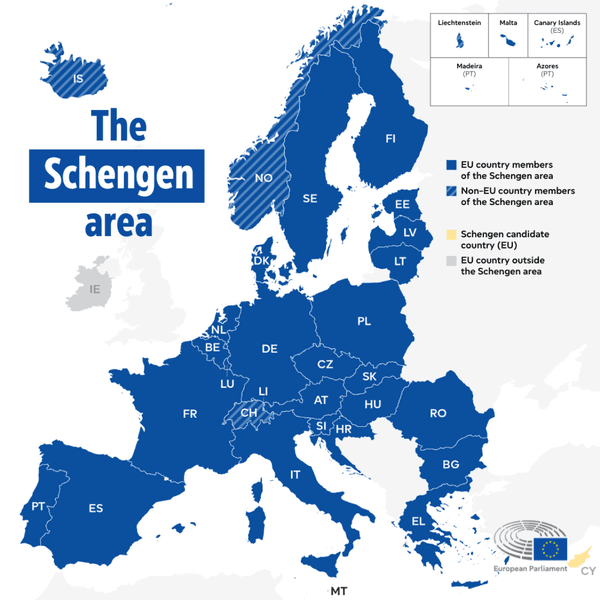
- 🌍 The Schengen Area currently includes 29 countries (EU + Iceland, Norway, Switzerland and Liechtenstein)
- 📝 Applying from Turkey follows a step-by-step process: choosing the correct consulate, booking an appointment, completing the application form, and submitting a full set of supporting documents
- 💶 The standard Schengen visa fee is €90 for adults and €45 for children aged 6–12 (free for children under 6)
- 📅 In Turkey, visa applications are handled by external centres such as iDATA, VFS Global or BLS, depending on the destination country
- 🏦 Applicants must provide proof of sufficient funds and documents showing strong ties to Turkey (employment, studies, family or property)
- 🛡️ Travel insurance is mandatory: minimum €30,000 coverage, including emergency medical care and repatriation, valid in all Schengen countries and covering the entire trip duration
- ⏱️ A decision is normally issued within 15 calendar days, but processing can take up to 45 days, especially during peak travel periods
What is a Schengen visa?
A Schengen visa allows non-EU nationals to enter and travel freely within the Schengen Area, which includes 29 European countries with no internal border controls. The visa type depends on the length of stay and the purpose of travel. Applicants from Turkey mainly apply for short-stay visas, though long-stay and multiple-entry options also exist.
Applying for a Schengen visa from Turkey involves strict requirements, especially when it comes to travel medical insurance. Having compliant coverage is not optional, it is a mandatory document reviewed by the consulate. Compare Schengen-approved travel insurance policies in minutes and choose coverage that meets all official requirements.

Get your Schengen travel insurance certificate in 2 minutes
The different types of Schengen visas (explained clearly)
When applying for a visa from Turkey, it’s important to understand which Schengen visa type matches your travel plans. Applying for the wrong visa category is a frequent reason for delays or refusals.
Below is a clear overview of the main Schengen visa types relevant to Turkish applicants.
Visa type | Who it’s for | Main purpose | Length of stay | Where it is valid |
|---|---|---|---|---|
🟦 Type C (short-stay) | Most travellers | Tourism, family visit, business, short events | Up to 90 days within any 180-day period | All Schengen countries |
🔁 Multiple-entry (Type C) | Frequent travellers | Repeated short trips to Europe | Up to 90 days per 180 days, over 6 months to 5 years | All Schengen countries |
🟩 Type D (long-stay / national visa) | Long-term residents | Studies, work, family reunification | More than 90 days | Mainly the issuing country |
Key points to understand:
- The Type C visa is the standard Schengen visa and the one most applicants from Turkey need.
- A multiple-entry visa is not a separate visa type, but a feature of the Type C visa, allowing several entries during its validity period.
- The Type D visa follows national rules and is required for long-term stays; it is not suitable for tourism or short visits.
Do Turkish citizens need a Schengen visa?
Yes. Turkish passport holders must obtain a Schengen visa before travelling to any Schengen country for a short stay. This requirement applies regardless of the travel purpose, including tourism, family or private visits, business trips, conferences or short educational programmes.
Turkey is not part of the visa-free regime for the Schengen Area. As a result, Turkish citizens cannot enter the Schengen zone without prior authorisation, even for very short stays. Each trip must be covered by a valid visa issued by a Schengen country.
It’s also important to note that:
- holding a UK, US or other foreign residence permit does not exempt Turkish nationals from needing a Schengen visa
- previous Schengen visas do not guarantee automatic approval for future applications
- border authorities may still verify the purpose and conditions of stay upon entry
To travel legally, Turkish applicants must submit a full application in advance, attend a visa appointment, and comply with all Schengen requirements, including documentation, financial proof and mandatory travel insurance with compliant certificate.
How to apply for a Schengen visa from Turkey step by step
Step 1: Choose the correct consulate and visa type
The first step is to identify:
- your main destination (the Schengen country where you will spend the most time), and
- the purpose of travel, which must be clearly defined from the start.
Typical purposes include:
- Tourism: holidays, leisure travel, sightseeing
- Family or private visit: visiting relatives or friends (often supported by an invitation letter)
- Business: meetings, conferences, trade fairs or short professional events
Your declared purpose must be reflected consistently across all supporting documents (itinerary, accommodation, invitation letter, employer letter). Any mismatch between documents is a common red flag during assessment.
Once the destination country is defined, your application must be submitted through the correct consulate and authorised visa centre in Turkey. Depending on the country, applications are generally processed via centres located in Istanbul, Ankara or Izmir and handled by official providers such as:
- iDATA (notably for Germany and Italy),
- VFS Global (for France and several other Schengen countries),
- BLS International (for Spain),
- Cosmos (for Greece, with regional allocation based on residence).
Submitting your application to the wrong consulate or region can result in delays or rescheduling.
Most applicants from Turkey apply for a Schengen visa type C, which covers short stays for tourism, family visits or business. This visa may be issued as single-entry or multiple-entry, depending on your travel plans and previous Schengen visa history.
Step 2: Book a Schengen visa appointment in Turkey
Once your destination country is confirmed, you must book an appointment with the official visa application centre authorised to process Schengen visas for that country in Turkey. Appointments are mandatory and must be booked online, directly on the visa centre’s official website.
In Turkey, Schengen visa applications are mainly handled by the following authorised providers, with centres located in Istanbul, Ankara and Izmir:
Destination country | Visa centre | Appointment booking | Main cities |
|---|---|---|---|
🇩🇪 Germany | iDATA | https://idata.com.tr | Istanbul, Ankara, Izmir |
🇮🇹 Italy | iDATA | https://idata.com.tr | Istanbul, Ankara, Izmir |
🇫🇷 France | VFS Global | https://visa.vfsglobal.com/tur/tr/fra | Istanbul, Ankara, Izmir |
🇪🇸 Spain | BLS International | https://turkey.blsspainvisa.com | Istanbul, Ankara |
🇬🇷 Greece | Cosmos | https://www.cosmosvisa.com.tr | Istanbul, Ankara (regional allocation) |
Appointments must be booked only through these official platforms. Using intermediaries or unofficial agents does not guarantee faster access and often results in higher costs or unreliable bookings.
You must attend the appointment in person to submit your documents and provide biometric data (fingerprints and photo), unless your biometrics from a previous Schengen visa are still valid (generally collected within the last 59 months).
In practice, appointment availability in Turkey is highly seasonal. Waiting times frequently reach 4 to 8 weeks during peak periods, and last-minute slots are rare and unpredictable. Demand is particularly high during:
- 🌞 May to August (summer holidays),
- 🕌 the weeks before Ramadan and Eid holidays,
- 🎓 August to September (student and Erasmus-related travel),
- ❄️ late December (end-of-year holidays).
To avoid delays, it is strongly recommended to book your appointment as early as possible and to have all documents (including travel insurance and application form) ready in advance, so you can submit your application as soon as a slot becomes available.
Step 3: Complete the Schengen visa application form
The Schengen visa application form is a core document and must be completed carefully and accurately. While the information requested is standard across all Schengen countries, the way you access and submit the form depends on the destination country.
In general, the form can be completed:
- online, through the official consular platform, or
- as a PDF form, printed, filled in and signed before submission
The information entered in the form is systematically cross-checked against your supporting Schengen visa documents.
Destination country | Application form process |
|---|---|
🇫🇷 France | Online form via the official France-Visas portal |
🇪🇸 Spain | Application form provided via BLS International |
🇩🇪 Germany | Form generated through iDATA or the German mission |
🇮🇹 Italy | PDF or online form via iDATA, depending on location |
🇬🇷 Greece | Standard Schengen form submitted via Cosmos |
Always use the official platform linked by the visa centre handling your appointment. Using outdated or unofficial forms can lead to rejection at the counter.
Common errors to avoid include:
- travel dates that do not match flight reservations or insurance coverage
- incorrect passport numbers or issue/expiry dates
- missing signatures or signing in the wrong place
Carefully reviewing the application form before submission helps prevent corrections, delays or appointment rescheduling.
Step 4: Prepare your supporting documents
A complete and well-organised file is mandatory. The following documents are required for all Schengen visa applications from Turkey, regardless of destination.
Document | Mandatory | Notes |
|---|---|---|
🛂 Passport | ✅ | Issued within the last 10 years, valid at least 3 months after return |
📄 Application form | ✅ | Fully completed and signed |
📸 Visa photo | ✅ | 35×45 mm, biometric standards |
✈️ Flight reservation | ✅ | Reservation is sufficient; paid ticket not required |
🏨 Accommodation proof | ✅ | Hotel booking or invitation letter |
🏦 Bank statements | ✅ | Last 3 months, showing sufficient funds |
🛡️ Travel insurance certificate | ✅ | Minimum €30,000 coverage, valid in all Schengen countries |
Focus on key documents often checked closely
- Visa photo: must meet Schengen biometric standards (size, background, facial positioning). Non-compliant photos are a frequent cause of file rejection at the counter.
- Travel insurance certificate: must clearly show the applicant’s name, coverage amount, territorial validity (entire Schengen Area) and travel dates.
- Financial documents: bank statements should be recent, readable and consistent with your declared travel plans.
To avoid delays at the appointment stage, services like HelloSafe allow you to obtain a Schengen-compliant insurance certificate instantly, download it immediately, and include it in your application file without waiting, especially useful when appointment slots open unexpectedly.
After submission: understanding the Schengen visa sticker
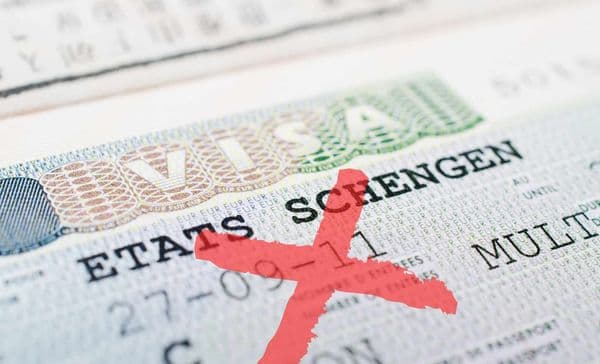
If your application is approved, a Schengen visa sticker is placed in your passport. The Schengen visa sticker number is a unique alphanumeric code printed on the top right of the visa sticker. It allows authorities to identify your visa in official systems and is often requested when checking visa validity, completing travel or accommodation forms or dealing with immigration or border authorities.
This sticker contains essential information such as:
- visa type (C or D)
- validity dates
- number of entries
- duration of stay allowed
Understanding the Schengen visa sticker number and fields helps avoid overstays or misuse of the visa once granted.
Field on the sticker | What it means |
|---|---|
🏷️ Type | Visa category (usually C for short stay) |
📅 Valid from / Until | Period during which you can enter the Schengen Area |
⏱️ Duration of stay | Maximum number of days you can stay in total |
🔁 Number of entries | 1 (single), 2 (double) or MULT |
🔢 Sticker number | Unique identifier of your visa |
Many travellers confuse visa validity dates with the allowed duration of stay.
For example:
- your visa may be valid for 3 months,
- but your maximum stay could still be 30 or 90 days within that period.
You must always respect the 90/180 rule, even with a multiple-entry visa. Overstaying can lead to fines, bans or future refusals.
How much does a Schengen visa cost in Turkey?
The total cost of a Schengen visa from Turkey includes fixed EU fees and variable local expenses. While the visa fee itself is standardised across all Schengen countries, the final amount you pay depends on the visa centre used and additional services.
The Schengen short-stay visa fee is set at EU level and applies to all applicants:
- Adults: €90 (≈ TRY 3,100–3,300)
- Children aged 6–12: €45 (≈ TRY 1,550–1,650)
- Children under 6: free of charge
These fees are non-refundable, even if the visa is refused.
Most applications in Turkey are submitted through iDATA, VFS Global or BLS, which charge a mandatory service fee in addition to the visa fee.
- Service fee: €20–35 (≈ TRY 700–1,250)
Optional services (premium appointment, courier return, SMS notifications) are charged separately and can increase the final cost.
Applicants should also budget for:
- Travel medical insurance (mandatory for all Schengen visas)
- Certified translations, if required by the consulate
- Transport costs to the visa centre (especially for applicants outside Istanbul or Ankara)
Expense | Average cost |
|---|---|
Visa fee | €90 (≈ TRY 3,100–3,300) |
Visa centre service | €25 (≈ TRY 850–900) |
Travel insurance | €15–60 (≈ TRY 500–2,100) |
Total estimate | €130–175 (≈ TRY 4,500–6,300) |
Is travel insurance mandatory?
Yes. Schengen travel medical insurance is mandatory and must cover at least €30,000, including emergency treatment and repatriation, valid across all Schengen countries.
Travel medical insurance is mandatory for all Schengen visa applicants from Turkey. This requirement is defined by EU rules and is systematically checked by consulates and visa centres at the time of application.
Without compliant insurance, the application is considered incomplete and may be rejected or delayed.
Get your Schengen travel insurance certificate in 2 minutes
Legal requirements under EU rules
To be accepted, your travel insurance must:
- provide a minimum medical coverage of €30,000
- cover emergency medical treatment and hospitalisation
- include repatriation for medical reasons or death
- be valid in all Schengen countries, not just the country of application
- cover the entire duration of your stay, from entry to exit
The insurance certificate must clearly state the traveller’s name, coverage amounts, territorial validity, and exact travel dates.
What certificate must you provide?
You must submit a travel insurance certificate issued by the insurer. This document must be:
- written in English (or a language accepted by the consulate)
- clearly legible and verifiable
- consistent with the dates and destinations in your application
The certificate must include:
- the traveller’s full name
- the coverage amount
- the territorial validity (all Schengen countries)
- the exact coverage dates
Certificates missing this information are frequently rejected at the application counter.
Typical Schengen travel insurance prices from Turkey
Schengen visa travel insurance, the mandatory coverage providing at least €30,000 in medical protection plus repatriation, is generally very affordable, especially compared with the overall cost of a Europe trip.
Trip length | Typical price (EUR) | Approx. price (TRY) | Notes |
|---|---|---|---|
7 days | €15–€25 | ~TRY 520–870 | Short stays are often cheapest |
15 days | €25–€40 | ~TRY 870–1,390 | Most common trip length for tourism |
30 days | €40–€70 | ~TRY 1,390–2,430 | Longer stays require more premium |
Because prices vary depending on age, trip duration and coverage dates, many travellers choose to compare offers before buying. Platforms like HelloSafe allow you to check competitive Schengen-compliant insurance prices, compare guarantees transparently, and obtain a valid certificate online in just a few minutes, making it easier to control costs while meeting all visa requirements.
Why are Schengen visas refused in Turkey?
Schengen visa refusals for applicants from Turkey usually follow standard EU refusal grounds, not country-specific rules. In most cases, refusals are linked to administrative weaknesses rather than the applicant’s nationality.
Consulates must justify refusals using official EU refusal codes, which clearly identify the reason why an application was rejected.
Most common reasons for refusal
The following grounds are the most frequently cited in refusal decisions:
- ❌ Unclear or inconsistent travel purpose: The Schengen travel itinerary, accommodation, invitation letter or cover letter does not clearly explain why and how the applicant plans to travel.
- ❌ Insufficient financial means: Bank statements do not show stable or sufficient funds to cover accommodation, daily expenses and return travel.
- ❌ Lack of proof of intention to return: Weak ties to Turkey, such as no clear employment, studies, family obligations or property, raise doubts about the applicant’s intention to leave the Schengen Area.
- ❌ Non-compliant travel insurance: Insurance does not meet EU requirements (coverage below €30,000, incorrect dates, limited territorial validity).
A common mistake: “visa shopping”
A frequent error is trying to apply through a country perceived as “easier” or faster, even when it is not the main destination. This practice, often called visa shopping, can lead to:
- additional document requests
- longer processing times
- or outright refusal if inconsistencies are detected
Consulates actively verify travel itineraries, accommodation bookings and entry points to ensure the application matches the chosen destination.
Practical tips to increase your chances of approval
- Coherence over perfection: A simple but consistent application is better than a complex file with contradictions.
- Avoid fake or misleading documents: False hotel bookings, fabricated bank statements or unrealistic itineraries often lead to immediate refusal and may affect future applications.
- Respect previous visas: Correct use of past Schengen visas (no overstays, no violations) significantly improves credibility.
- Prepare insurance early, but keep it flexible: Travel insurance should meet Schengen requirements while allowing date adjustments if appointment or travel plans change.
A complete file, a realistic itinerary, and Schengen-compliant insurance remain the most effective ways to reduce the risk of refusal and improve approval chances.
Which Schengen countries can you apply to from Turkey?
From Turkey, you can apply for a Schengen visa to any Schengen country, as long as you respect the official rules on where to submit your application. Choosing the correct destination country is not optional and plays a key role in how your file is assessed.
The “main destination” and “first entry” rules
Your application must be submitted to:
- the consulate of the country where you will spend the most time (main destination), or
- if the duration is equal in several countries, the country of first entry into the Schengen Area.
For example, if you plan to spend 4 days in Italy and 2 days in France, you must apply through Italy, even if you land in Paris.
How long does it take to get a Schengen visa from Turkey?
Schengen visa processing times from Turkey follow EU-wide rules, but local demand patterns in Turkey have a strong impact on how long applications actually take. Understanding both the legal framework and peak periods helps you plan more realistically.
Official vs real processing times
⏱️ Timeline | What it means |
|---|---|
15 calendar days | Standard legal processing time under EU rules |
Up to 45 days | Possible extension for additional checks or high workload |
15–45 days (average) | Realistic processing time observed in Turkey |
Periods with longer processing times in Turkey
Certain times of the year are consistently busier for Schengen visa applications in Turkey, leading to longer appointment waits and processing delays.
📅 Period | Why it’s busier |
|---|---|
🌞 May–August | Summer holidays and peak tourism season |
🕌 Before Ramadan & Eid holidays | Increased family and leisure travel |
🎓 August–September | Student travel and Erasmus-related applications |
❄️ Late December | End-of-year holidays and winter travel |
During these periods, appointment availability is more limited and consulates may take longer to process files.
Main factors that can extend processing time
- High season volume: Large numbers of applications submitted at the same time slow down both visa centres and consulates.
- Incomplete or inconsistent application files: Missing documents, mismatched travel dates or unclear travel purposes often trigger additional verification.
- Background or security checks: Some applications require extra checks, which can legally extend processing up to 45 days.
Practical timing advice
To avoid unnecessary delays, submit your application as early as possible, prepare documents carefully, and plan for longer timelines if you intend to travel during peak periods in Turkey.
Is the Schengen visa process changing? EU reforms and digitalisation explained
Yes, the Schengen visa system is evolving, but the changes are gradual and do not yet replace the current application process for applicants from Turkey.
The European Union is working on a reform aimed at digitising Schengen visa procedures, with the long-term goal of reducing paperwork, allowing online applications and improving data sharing between member states. In the future, applicants should be able to submit forms and documents digitally and track their applications more easily.
For now, however, key steps remain unchanged. Visa appointments are still mandatory, biometric data (fingerprints and photo) must be collected in person, and applicants must continue to provide supporting documents such as proof of travel, financial means and Schengen-compliant travel insurance. Applications from Turkey must still be submitted through authorised centres such as iDATA, VFS Global, BLS or Cosmos, depending on the destination country.
The EU is also introducing the Entry/Exit System (EES), which will progressively replace passport stamps with digital border records and automatically track stays under the 90/180 rule. While this affects border controls, it does not change visa requirements or eligibility.
In practice, Turkish applicants should continue to follow the current step-by-step process and apply early, especially during peak periods. Digitalisation may simplify procedures in the future, but it has not yet removed appointments or documentation requirements.
Yes. A flight reservation is sufficient for a Schengen visa application. Consulates do not require a fully paid ticket at the application stage, as plans may change. Submitting a paid ticket does not increase approval chances and can be risky if the visa is refused.
No. Schengen visa applications must be submitted in person in Turkey (or in your country of legal residence) to collect biometrics. However, a family member or sponsor abroad can provide supporting documents, such as an invitation letter or accommodation proof.
It depends on the policy. Some providers offer refunds in case of visa refusal, provided you submit the official refusal notice. This is why many applicants choose insurance solutions that are Schengen-compliant, flexible and clearly refundable in defined cases.
In most cases, no. Once your file is submitted, dates are fixed. If your travel plans are uncertain, it’s safer to use flexible insurance coverage that can be adjusted before submission or reissued if needed.
Multiple-entry visas are usually granted to applicants who can demonstrate:
- a clear need for frequent travel
- proper use of previous Schengen visas
- stable financial and professional situations
First-time applicants typically receive a single-entry visa, while frequent travellers may qualify for longer validity over time.
Missing an appointment usually means:
- losing the service fee paid to the visa centre
- having to rebook a new slot, often with long waiting times
To avoid this, ensure all documents (including travel insurance) are ready in advance, so you can attend the appointment as soon as a slot becomes available.
On the same topic

Schengen visa sticker explained 2026: read every field
Oct 1, 2026
Sponsorship letter sample for visa: complete guide for Schengen applications
Sep 30, 2026

TLScontact Schengen visa 2026: book, track, fees, contact
Oct 1, 2026